Welcome to TheVitaPaws — Expert Care for Your Furry Friends!
✦
Welcome to TheVitaPaws — Expert Care for Your Furry Friends!
✦

The Ultimate Pomeranian Breed Profile: Expert Care Guide
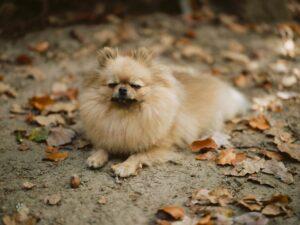
Welcome to another deep dive into the canine world, TheVitaPaws pack! Ethan Carter here, checking in from sunny Denver, Colorado, alongside my trusted Golden Retriever companion, Cooper. Today, we are turning our spotlight toward a remarkably tiny package that carries the bold heart of a lion. If you are looking to introduce an extraordinarily bright, lively, and fluffy companion into your active household, exploring our definitive Pomeranian breed profile is the ideal first step toward responsible pet ownership. These pint-sized pups are famous for their magnificent foxy faces and vibrant, infectious personalities. Consequently, they have captured the adoring hearts of millions of American pet parents over the last century. Let’s dive straight into the rich heritage, daily care mechanics, and vital wellness needs that define this majestic toy companion.
🐾 Key Takeaways
- Key Highlight: Bold, affectionate, and fiercely intelligent toy breed displaying a proud, fox-like expression.
- Activity Level: Moderate physical requirements consisting of short daily walks and engaging indoor play.
- Care Tip: Demands consistent bi-weekly line-brushing of their thick double coat to prevent painful matting.
Breed Overview
| Breed Characteristic | Official Details |
|---|---|
| Group | Toy Group (AKC) |
| Height | 7 to 12 inches |
| Weight | 3 to 7 pounds |
| Lifespan | 12 to 16 years |
| Origin | Germany / Poland (Pomerania region) |
Pomeranian Characteristics
History of the Pomeranian
Ancient Arctic Spitz Ancestry
First and foremost, to understand the bold nature of the Pomeranian, we must trace their ancient lineage back to large, powerful Arctic sled dogs. These resilient ancestors belonged to the prominent Spitz family, sharing direct genetic ties with massive breeds like the Siberian Husky, Samoyed, and Alaskan Malamute. Therefore, despite their modern status as delicate lap dogs, Pomeranians still carry the fearless and protective psychological instincts of their hard-working northern forefathers.
The Royal Transformation in Europe
Over time, these large canine workers were selectively bred down in size within the historic Pomerania region, which sits in modern-day Germany and Poland. Consequently, their refined look began catching the attention of European nobility, eventually leading to a massive historic turning point when Queen Victoria of the United Kingdom fell passionately in love with the breed in 1888. During her influential reign, Queen Victoria established her own highly successful breeding kennel, which effectively reduced the typical size of the dogs by more than half.
Modern AKC Evolution
In addition to their swift royal success across Europe, these spectacular companion animals quickly crossed the Atlantic to conquer American hearts. The American Kennel Club (AKC) officially recognized the breed in 1888, and they have consistently remained one of the most popular toy dogs in the United States ever since. Today, they successfully bridge the gap between historical working resilience and elite modern championship showmanship.

Training and Care Needs
Daily Physical Exercise Strategy
Because Pomeranians possess an abundance of natural enthusiasm, they require structured outlets to expend their vibrant physical energy safely. Therefore, veterinarians recommend aiming for approximately 30 to 45 minutes of physical activity each day, neatly split into two short, brisk neighborhood walks. Fortunately, their tiny stature means that even a rainy afternoon spent chasing a plush ball across your living room rug can provide wonderful cardio exercise.
Advanced Mental Stimulation Routines
In addition to standard physical outings, safeguarding your pet from boredom-induced destructive behaviors requires targeted cognitive exercise. Because these miniature geniuses are exceptionally quick learners, they absolutely thrive when challenged with interactive puzzle toys, indoor agility courses, and fun trick-training sessions. Over time, dedicating just ten minutes a day to command reinforcement will foster deep mental calmness and curb excessive alert barking.
Crucial Double-Coat Grooming Loops
Finally, maintaining that signature, cloud-like silhouette requires an absolute commitment to a rigorous brushing routine. Their iconic double coat consists of a soft, insulating undercoat covered by a harsher, long outer coat. Consequently, you must utilize a premium slicker brush and steel comb at least three times a week to safely remove loose fur from deep within the coat. Regularly misting the fur with a light leave-in conditioning spray before brushing will proactively prevent painful matting and keep their skin healthy.

Common Health Problems
Genetic Risks and Screenings
Fortunately, working with responsible breeders who perform exhaustive health screenings can dramatically reduce the risk of congenital illnesses. However, active pet owners should still be aware of several conditions common to this tiny breed profile:
- Patellar Luxation: A highly common genetic condition where the kneecap accidentally slips out of its natural anatomical groove, often requiring careful weight control or surgical alignment.
- Tracheal Collapse: A progressive respiratory issue caused by weak cartilage rings in the windpipe, which creates a harsh, honking cough. Therefore, you must always walk your dog using a comfortable body harness rather than a standard collar.
- Hypoglycemia: A dangerous, sudden drop in blood sugar levels that primarily affects tiny puppies under stress, requiring frequent, tightly scheduled meal distributions.
- Severe Hair Loss Syndrome (Black Skin Disease): An unexpected genetic cosmetic disorder that causes symmetric fur thinning and hyperpigmentation across the torso over time.
- Dental Disease: Because their tiny mouths are prone to severe crowding, tartar buildup occurs incredibly quickly, demanding mandatory daily tooth brushing and routine professional veterinary cleanings.
Diet and Nutrition
Caloric Metrics for Toy Metabolisms
Because toy dog breeds possess an exceptionally fast metabolic rate per pound, selecting the correct dietary fuel is absolutely paramount for their long-term wellness. Generally, an active adult Pomeranian requires between 1/4 to 1/2 cup of high-quality dry kibble daily, strictly divided into two or three separate meals to maintain stable blood glucose levels. However, you must carefully adjust these general feeding metrics based on your individual dog’s exact age, metabolic efficiency, and real-time physical output.
Raw Ingredient Quality Standards
Furthermore, you should always look for commercial formulas where real, whole animal meat—like chicken, turkey, or salmon—is listed clearly as the very first ingredient. Because these powerful little athletes carry compact frames, providing foods rich in clean proteins and omega-3 fatty acids will safely protect their delicate joints and maintain their luxurious coats. Additionally, prioritizing smaller kibble shapes will ensure your tiny companion can chew and swallow their meals with absolute ease.
Essential Safety Precautions
Finally, you must implement strict lifestyle boundaries to protect their delicate skeletal systems from accidental structural harm during mealtime. For example, veterinarians strongly advise preventing your dog from jumping off high couches or sprinting down steep stairs immediately before or after eating. By ensuring constant access to fresh, filtered drinking water and offering their meals in a quiet, stress-free zone, you will maximize their overall health and digestive efficiency.
Frequently Asked Questions
Is a Pomeranian a good family dog?
Yes, Pomeranians make excellent family companions for households with older, respectful children who understand how to handle delicate toy breeds. However, their tiny frames mean they can be easily injured by accidental drops or rough play from toddlers.
Do they bark a lot?
Pomeranians are naturally alert watchdogs that will vocalize frequently to report any unfamiliar sights or sounds. Fortunately, you can easily minimize excessive barking through early socialization and consistent, positive-reinforcement boundary training.
Disclaimer: The information on TheVitaPaws is for educational purposes only and should not replace professional veterinary care.