Welcome to TheVitaPaws — Expert Care for Your Furry Friends!
✦
Welcome to TheVitaPaws — Expert Care for Your Furry Friends!
✦
Managing Dog Obesity: Safe Weight Loss & Metabolism Guide

The progressive accumulation of excess adipose tissue represents one of the most widespread and critical medical challenges within the canine pet-ownership community in the United States today.
In this comprehensive guide dedicated to managing dog obesity and metabolic restructuring, we look deep into the exact physiological mechanisms that allow you to restore your companion’s physical shape safely and sustainably. Because our dogs count on us entirely for their absolute structural health, learning how to balance a controlled caloric deficit without triggering serious nutritional deficiencies stands as a top priority for every household.
Consequently, optimizing their baseline metabolism actively helps eliminate stubborn fat reserves while protecting their structural joint frameworks from premature aging. Let’s dive straight into the science of adipose tissue inflammation, protective nutritional matrices, and tailored exercise routines that define a successful canine weight loss journey.
📊 Quick Navigation
🐾 Key Takeaways
- Biological Starvation Risk: A sudden and severe drop in calories forces the body to burn healthy muscle mass instead of target fat reserves.
- Prioritize Lean Proteins: High levels of highly digestible animal protein are crucial to keep the metabolic rate active during the diet.
- Reduced Mechanical Stress: Introducing low-impact structural exercises safeguards joints weakened by excessive physical workload.
Overview of Weight Loss Strategies
| Core Strategic Axis | Physiological Mechanism & Key Characteristics |
|---|---|
| Volumetric Control | Integration of soluble fibers, expanding food volume, maintaining long-term satiety. |
| Muscle Preservation | Highly digestible amino acids, preserving skeletal muscle tone, avoiding starvation mode. |
| Cellular Catalysts | Addition of molecular co-factors like L-carnitine to accelerate fatty acid transport to mitochondria. |
| Low-Impact Workouts | Hydrotherapy and controlled swimming loops, removing gravitational strain on fragile limbs. |
Protocol Efficiency Indicators
Adipose Tissue: An Active Inflammatory Organ
The Pathological Impact of Weight Surcharge
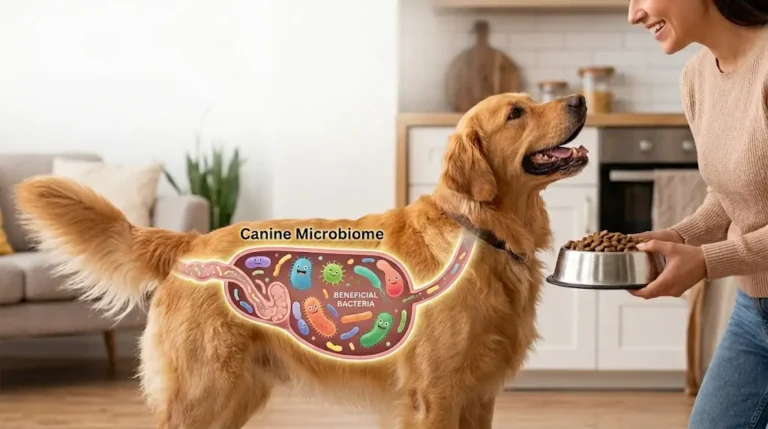
To successfully tackle managing dog obesity, it is paramount to understand that fat is not merely an inert storage layer for excess energy. On the contrary, adipose tissue behaves as an active endocrine organ that continuously secretes pro-inflammatory signaling molecules called adipokines. Over time, this chronic, low-grade metabolic inflammation continuously agresses cardiovascular structures, overburdens hepatic and pancreatic pathways, and heavily accelerates the development of major diseases such as type II diabetes and systemic hypertension.
Altering the Baseline Metabolic Profile
Furthermore, distinct dog breeds carry unique genetic predispositions and hormonal variations that regulate their internal metabolic speed. Standard surgeries, such as spaying or neutering, inevitably drop an animal’s daily energy requirement by over twenty percent. Therefore, if the daily caloric allowance is not reassessed immediately following these structural life stages, the excess energy systematically transitions into deep fat tissue, permanently down-regulating the dog’s overall metabolic efficiency.
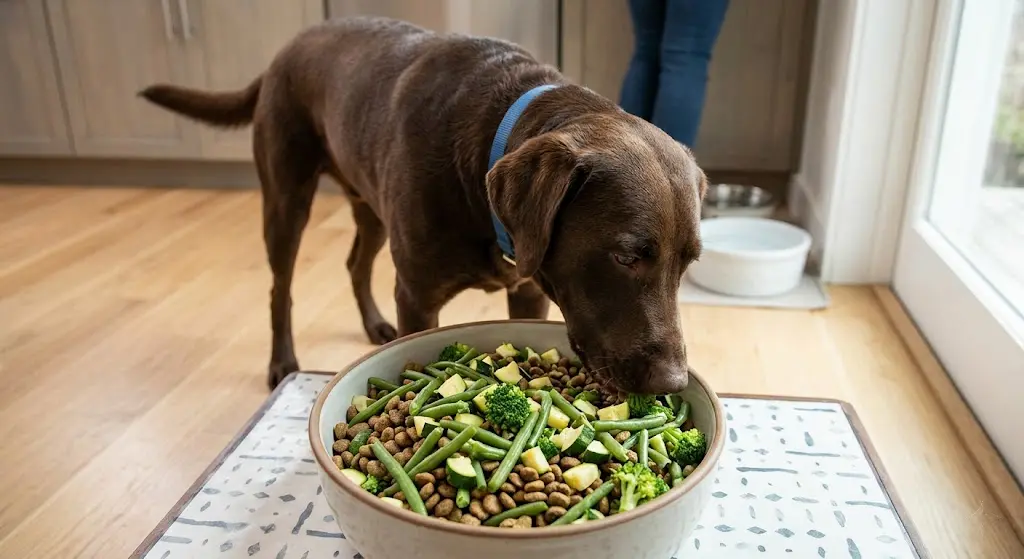
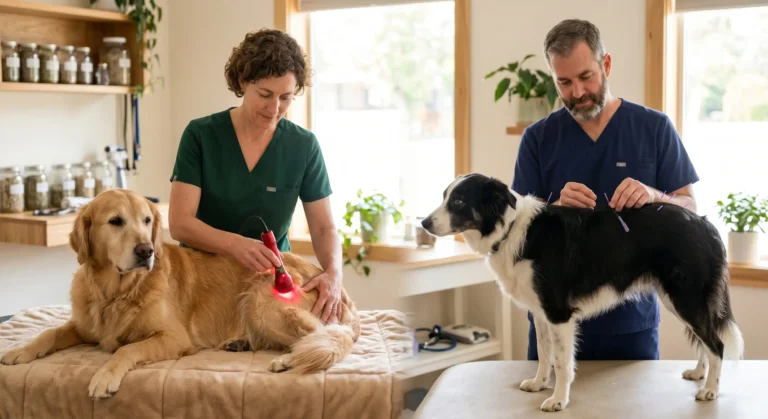
Figure 1: Accurate body condition scoring by a veterinary professional allows for precise metabolic calibrations.
Protocols for Safe Caloric Restriction
The Danger of Sudden Starvation Diets
When encountering a noticeable weight surcharge, a common mistake is to suddenly cut the dog’s routine daily food portion in half. However, this defensive strategy is biologically counterproductive and presents serious risks to your pet’s metabolic health. By brutally depriving the system of essential amino acids and micronutrients, the dog’s body immediately interprets the drop as an environmental famine. In response, the hormonal framework slows down the baseline metabolism to conserve fuel, while breaking down lean muscle tissue to self-regulate.
Optimizing the Protein-to-Fiber Nutritional Matrix
Fortunately, to trigger safe fat loss while retaining strong skeletal muscle tone, the dietary fuel must transition toward specialized high-density nutritional formulas. Focus on premium weight management regimens rich in highly digestible animal proteins, balanced with meticulously calculated levels of soluble and insoluble fibers. Proteins effectively preserve vital structural muscle mass during lipid melting phases, while dietary fibers absorb gastric moisture, expanding the food bolus volume to stabilize long-term satiety signals naturally.
Biological Mechanisms to Boost Dog Metabolism
Intelligent Volumetric Food Substitutions
Happily, maximizing your dog’s daily energy expenditure can be achieved through subtle, scientifically validated dietary adaptations. Swapping out highly processed, starch-heavy commercial treats for fresh vegetables with a low glycemic index serves as an outstanding volumetric tactic. Steamed green beans or diced zucchini pieces provide an incredibly gratifying crunchy texture while adding virtually zero caloric weight to the daily total. This ensures family rewarding bonds remain strong without sabotaging your weight management goals.
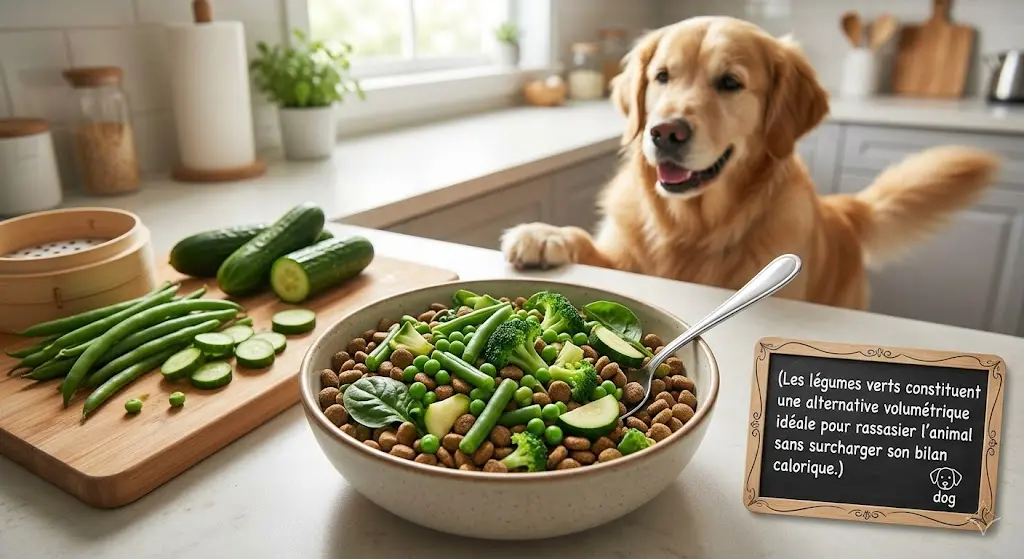
Figure 2: Crisp green vegetables provide an ideal volumetric substitution to satisfy canine appetite without caloric surcharge.
Expert Pro-Tip: The integration of molecular co-factors like L-carnitine plays a foundational role in transporting long-chain fatty acids across mitochondrial membranes, actively converting stored lipids into usable metabolic energy.
The Metabolic Impact of Active Chewing Loops
In addition, intentionally lengthening the overall duration of meal consumption directly optimizes the baseline metabolic response. Utilizing specialized textured lick mats or slow-feeder bowls forces your companion to consume their daily ration in a segmented fashion. This physical deceleration allows necessary satiety hormones to reach full cerebral expression before the stomach gets overloaded, effectively reducing the behavioral anxiety frequently linked to caloric restriction.
Exercise Planning and Structural Joint Preservation
The Grave Danger of High-Impact Mechanical Strain
Alongside strict nutritional portions, activating systemic calorie burning through physical movement is an irreplaceable lever to maintain a steady deficit. Nevertheless, introducing a new workout routine must be executed with immense caution if an animal carries a heavy weight surcharge. Subjecting joints already compromised by weight strain to high-impact activities, such as repetitive fetch sessions or fast running on hard asphalt, can cause permanent cartilage micro-tears. Therefore, gradual progress remains the golden rule.
Prioritizing Low-Impact and Hydrotherapy Solutions
To safely bypass these destructive mechanical forces, canine rehab specialists highly advocate for structured, low-impact exercise alternatives. Guided hydrotherapy or controlled swimming loops offer an ideal solution; the buoyancy of water unloads the dog’s joints from almost all gravitational mass while providing excellent cardiovascular resistance. Additionally, incorporating indoor scent-work games stimulates high cognitive energy burn, paving a smooth, safe pathway toward their target weight.
Frequently Asked Questions
What is the safest weight loss speed for an overweight dog?
A safe weekly target lies strictly between one and two percent of the dog’s total body weight. Shedding mass any faster can induce heavy lean muscle breakdown and put dangerous stress on hepatic metabolic pathways.
Can I use human fat burners to speed up my dog’s weight loss?
No, human formulations are strictly prohibited as they routinely contain cardiac stimulants or artificial sweeteners like xylitol, which are highly toxic and fatal to canines. Always use specific veterinary-approved supplements.
Disclaimer: The information on TheVitaPaws is for educational purposes only and should not replace professional veterinary care.