Welcome to TheVitaPaws — Expert Care for Your Furry Friends!
✦
Welcome to TheVitaPaws — Expert Care for Your Furry Friends!
✦

The Complete Poodle Breed Profile: Expert Care, Training & Health Guide
Hello, TheVitaPaws pack! Ethan Carter here, writing to you from crisp, sunny Denver alongside my trusty Golden, Cooper. Today, we are diving deep into one of the most brilliant, versatile, and frequently misunderstood canine companions in the world: the Poodle. Whether you are looking at a stately Standard, a nimble Miniature, or a pint-sized Toy, this comprehensive Poodle breed profile will shatter the stereotype that these dogs are merely pampered show pets. Behind that elegant, hypoallergenic coat lies the mind of a world-class athlete and an intensely sharp water retriever. Renowned globally for their near-human intelligence and unwavering devotion, Poodles are fiercely loyal family members that thrive when given a true purpose, plenty of mental stimulation, and consistent, expert-backed care. Let’s look past the elaborate haircuts and explore the history, real-world metrics, and essential behavioral characteristics that define this classic breed.
🐾 Key Takeaways
- Key Highlight: Ranked as the second-most intelligent dog breed globally, Poodles possess world-class problem-solving abilities and exceptional emotional sensitivity.
- Activity Level: High-stamina athletes requiring 60 to 90 minutes of daily physical exercise coupled with intensive mental enrichment tasks to prevent boredom.
- Care Tip: While their single-layer curly coat is widely considered hypoallergenic and virtually non-shedding, it demands rigorous daily brushing and professional grooming every 4 to 6 weeks to avoid painful matting.
Breed Overview
| Breed Characteristic | Official Details |
|---|---|
| Group | Non-Sporting Group (AKC recognizes Standard, Miniature, and Toy under varying size classes) |
| Height | Standard: Over 15 inches; Miniature: 10 to 15 inches; Toy: 10 inches and under |
| Weight | Standard: 45 to 70 lbs; Miniature: 15 to 17 lbs; Toy: 4 to 6 lbs |
| Lifespan | 10 to 18 years (Smaller varieties typically enjoy a longer lifespan) |
| Origin | Germany / France |
Poodle Characteristics
History of the Poodle
Though firmly cemented as the national dog of France, the Poodle actually originated in Germany during the Middle Ages. The breed’s name stems from the low German word “pudeln”, which translates directly to “to splash in water.” Developed over 400 years ago, the original Standard Poodle was bred strictly as a cold-water duck retriever.
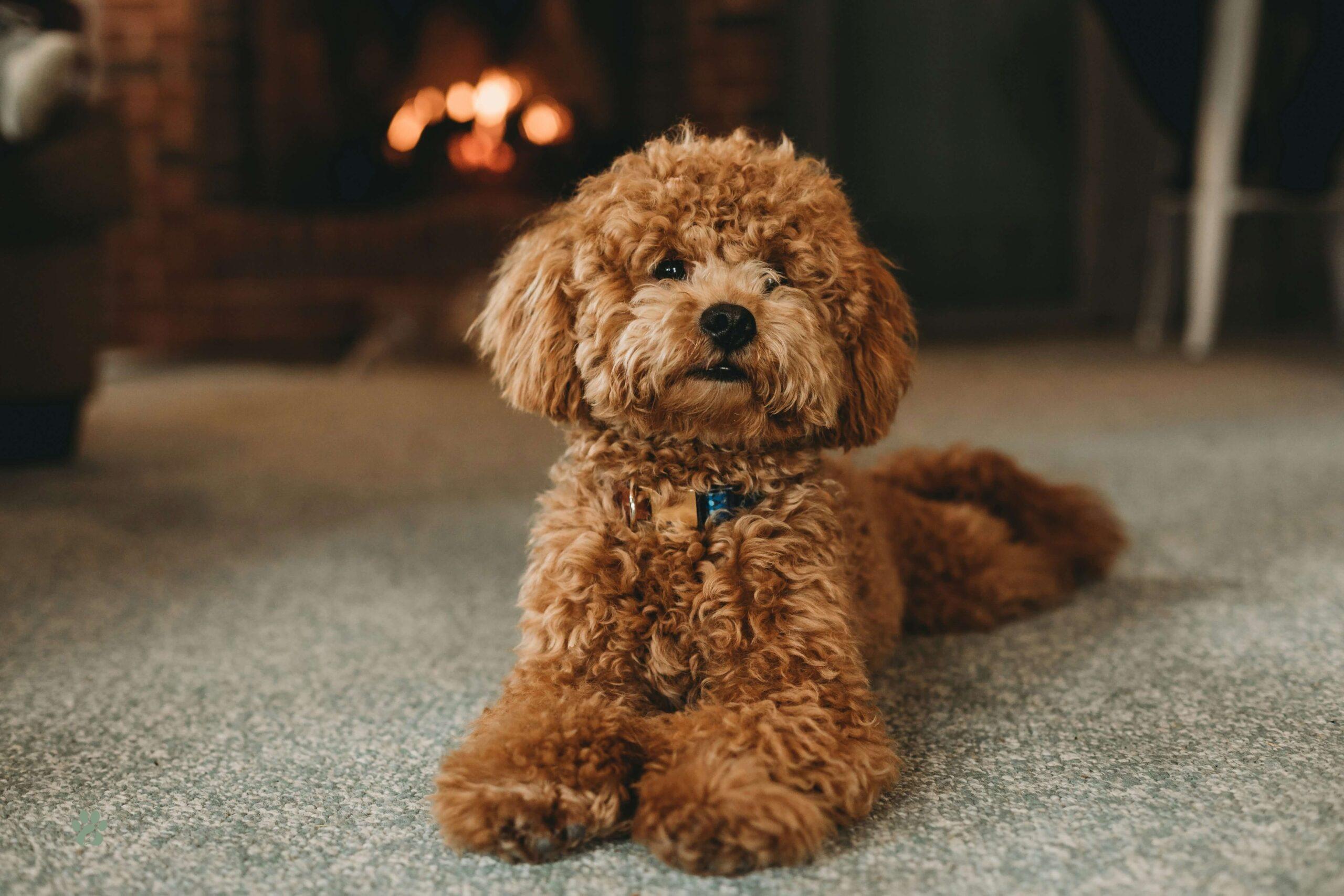 The proud lineage: Standard Poodles were originally engineered as elite water dogs and versatile duck hunters.
Every single aspect of the classic, flamboyant “Poodle clip” was born entirely out of working functionality. Hunters shaved the legs, neck, and tail to minimize drag in freezing waters, leaving thick tufts of hair—known as pompons—strategically intact over the chest, kidneys, and joints to protect crucial organs from hypothermia.
As the breed shifted to France, its sharp wit and striking appearance caught the attention of the nobility. The French refined the breed, selecting for smaller sizes, which eventually birthed the Miniature and Toy Poodles. While the Miniature variation was highly favored for locating hidden truffles in the forest, the tiny Toy Poodles assumed positions of pure companionship within royalty, setting a standard for luxury pet parenting across Western Europe.
Training and Care Needs
Owning a Poodle is a beautifully rewarding experience, but it requires serious dedication from a pet parent. These are elite athletes dressed in fancy suits. A Standard Poodle needs roughly 60 to 90 minutes of daily physical exercise—they excel at swimming, dock diving, hiking, and agility courses.
🧠 Mental Stimulation Hierarchy for Poodles:
Advanced Interactive Puzzles ➔
Agility & Trick Training ➔
Decompression Sniffaris
Because of their immense cognitive capacity, physical exhaustion is only half the battle. If you do not give a Poodle a “job” to perform, they will invent their own entertainment, which often manifests as destructive chewing or nuisance digging. Integrate food puzzles, advanced command sequences, and nose-work into their daily routine.
Grooming is where Poodle care demands the most respect. They do not have fur; they have a single layer of continuously growing hair that traps dander, making them excellent choices for allergy sufferers. However, those dropped hairs get caught inside the tight curls instead of falling to your rug. Without a meticulous daily brushing routine down to the skin, their coat will quickly mat into solid blocks. Expect to visit a professional groomer every 4 to 6 weeks for a trim and deep ear cleaning, as their drop ears are prone to trapping moisture and wax.
 High-maintenance luxury: A regular grooming routine prevents painful mats from forming within a Poodle’s curly coat.
Common Health Problems
Poodles are generally a healthy, long-lived breed, but responsible breeders must screen for specific genetic conditions. By understanding these potential vulnerabilities, you can practice proactive veterinary prevention.
- Hip Dysplasia: Particularly common in Standard Poodles, this hereditary skeletal deformity occurs when the hip joint fails to align correctly, eventually leading to painful arthritis.
- Gastric Dilation-Volvulus (Bloat): This is a critical, life-threatening emergency primarily affecting large, deep-chested Standard Poodles. The stomach twists upon itself, trapping gas and cutting off vital blood circulation. Avoid heavy exercise directly before and after meal times.
- Progressive Retinal Atrophy (PRA): A genetic degenerative eye disease common across all three sizes that systematically breaks down the retina, eventually leading to blindness.
- Idiopathic Epilepsy: A neurological disorder causing sudden, unexplained seizures, which requires long-term medication and attentive management.
- Tracheal Collapse: Frequently observed in Toy Poodles, this condition involves the cartilage rings of the windpipe weakening over time. Always walk smaller Poodles on a harness rather than a traditional collar to preserve their airways.
Diet and Nutrition
Fueling a Poodle requires premium, nutrient-dense kibble tailored explicitly to their size, age, and individual metabolic rate. Standard Poodles, with their athletic builds, thrive on high-protein diets containing premium animal sources like chicken, beef, or salmon to feed their lean muscle tissue. Keep their meals strictly divided into at least two portions a day to protect them from the dangers of bloat.
Miniature and Toy Poodles have significantly faster metabolisms per pound than their larger counterparts. They require specialized small-breed formulas packed with high-quality fats and proteins to support their immense energy output. Additionally, small-breed kibble sizes prevent accidental choking hazards. Always monitor body condition scores closely; a Poodle should possess a clearly defined waist when viewed from above. Do not let their dramatic pleading eyes convince you to overfeed them table scraps, as obesity can rapidly accelerate joint degradation and strain their cardiovascular systems.
Frequently Asked Questions
Are Poodles good family dogs for households with young children?
Yes, Poodles make fantastic family dogs due to their highly affectionate, patient nature and playful disposition. However, while robust Standards can easily handle enthusiastic kids, smaller Toy and Miniature Poodles must be carefully monitored around toddlers to avoid accidental injury to the dog’s delicate frame.
Do Poodles bark excessively compared to other breeds?
Poodles are naturally alert watchdogs that will vocalize to notify their owners of incoming visitors or strange noises. Fortunately, because of their extreme intelligence, excessive nuisance barking can be easily managed and neutralized through consistent, early desensitization training.
Disclaimer: The information on TheVitaPaws is for educational purposes only and should not replace professional veterinary care.