Welcome to TheVitaPaws — Expert Care for Your Furry Friends!
✦
Welcome to TheVitaPaws — Expert Care for Your Furry Friends!
✦

The Complete German Shepherd Breed Profile: Expert Care & Training Guide
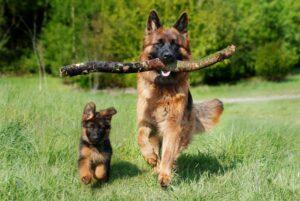
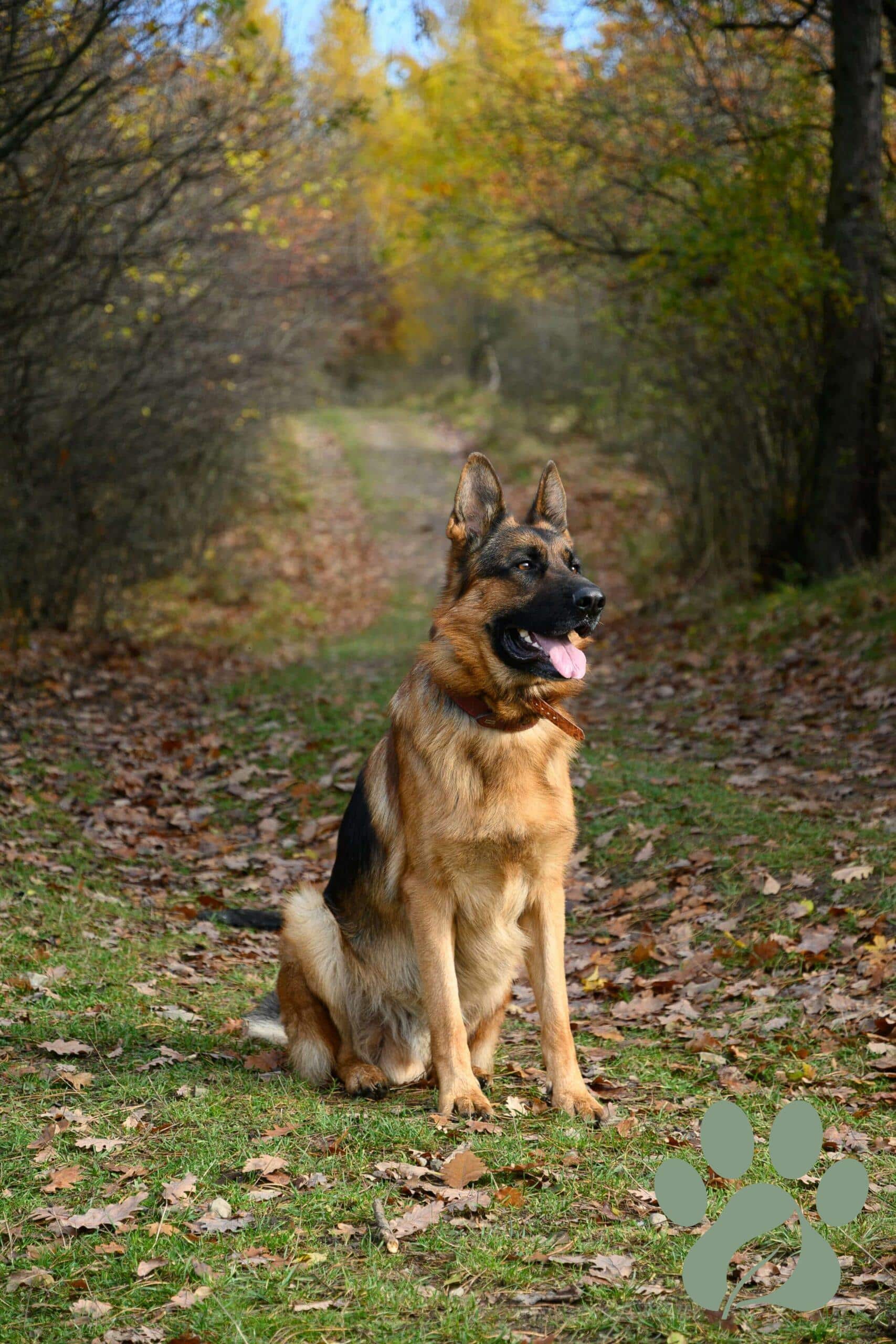
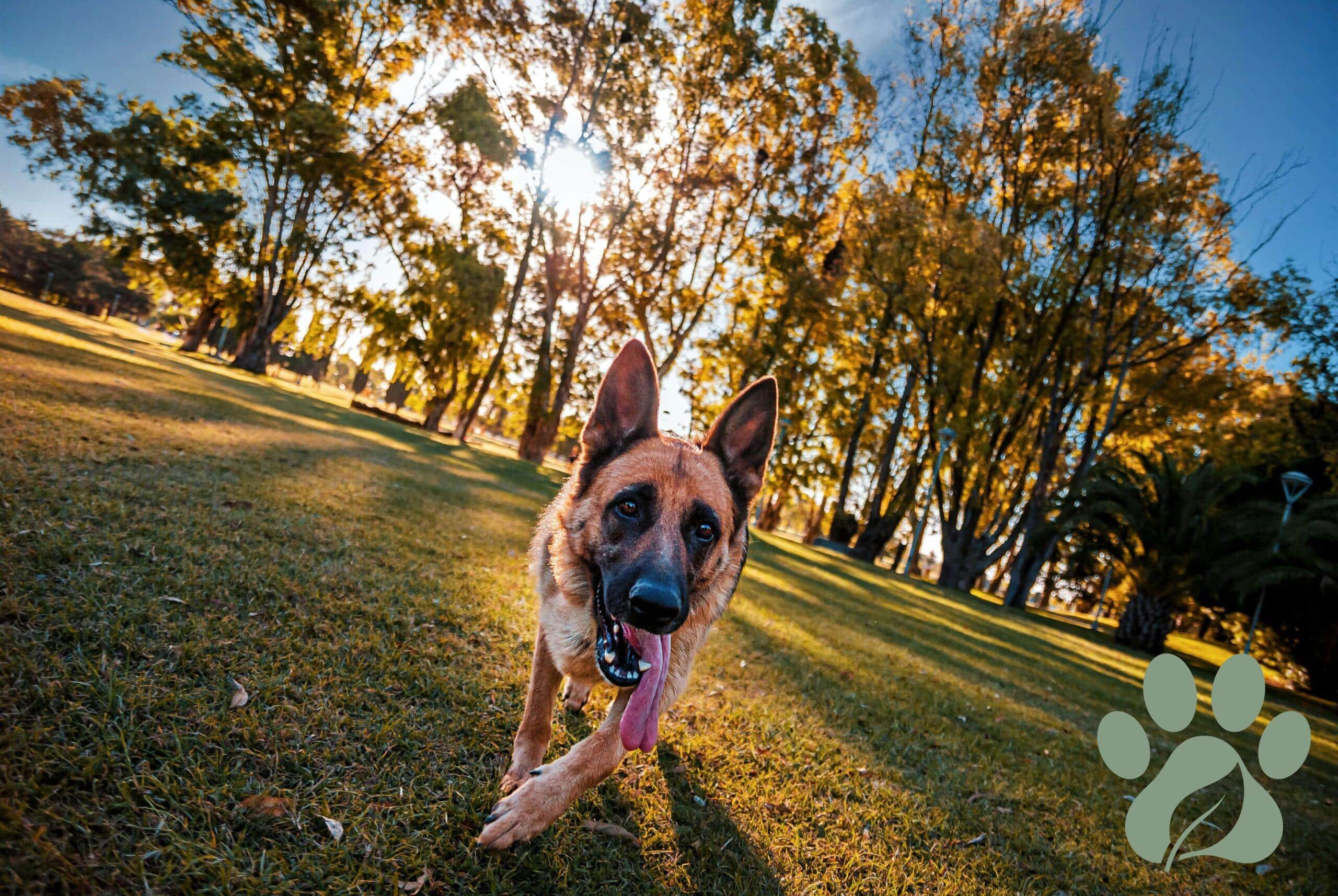
If you are seeking a loyal, intelligent, and versatile canine companion, look no further than the iconic GSD. Our comprehensive German Shepherd breed profile explores exactly why this breed remains a top choice for families, service work, and protection. Known for their striking appearance and unwavering devotion, these dogs are far more than just “watchdogs”; they are deeply affectionate partners that thrive when given a purpose and consistent, expert-backed care.
🐾 Key Takeaways
- Key Highlight: Highly intelligent and versatile, excelling in roles from family protection to search-and-rescue.
- Activity Level: Extremely high; they require at least 60–90 minutes of vigorous daily exercise and mental stimulation.
- Care Tip: They are heavy “seasonal shedders,” so regular brushing (at least 2-3 times a week) is essential to manage their thick double coat.
Breed Overview
| Breed Characteristic | Official Details |
|---|---|
| Group | Herding |
| Height | 22–26 inches |
| Weight | 50–90 pounds |
| Lifespan | 7–10 years |
| Origin | Germany |
German Shepherd Characteristics
History of the German Shepherd
The German Shepherd was developed in late 19th-century Germany by Captain Max von Stephanitz. His goal was to create a breed that was the ultimate working dog: intelligent, sturdy, and capable of herding sheep while remaining loyal to its handler. Their transition from farm life to world-renowned police and military dogs was swift due to their uncanny ability to learn complex tasks quickly.
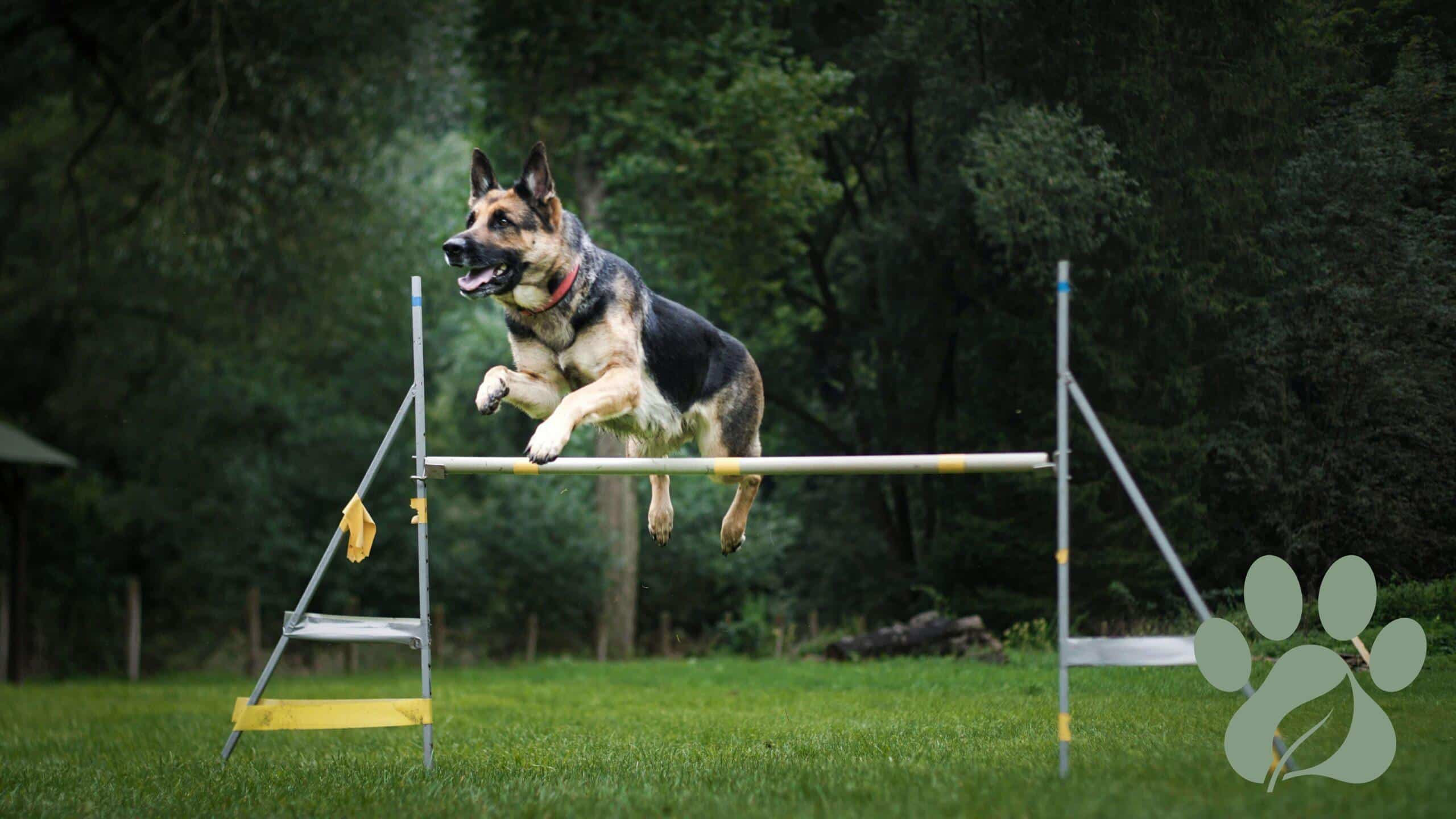
💡 Ethan’s Pro Tip: German Shepherds are not “couch potatoes.” They suffer from boredom if left without tasks. Always combine physical exercise with mental puzzles like scent games!
Training and Care Needs
Because of their working-dog heritage, German Shepherds are not “couch potatoes.” They suffer from boredom if left without tasks. Training should be positive-reinforcement based, focusing on their desire to please. Exercise is non-negotiable; fetch, agility training, and long hikes are better than a simple walk. Mentally, puzzle toys and scent games are vital to keep their sharp minds occupied.
Common Health Problems
While a robust breed, the GSD is genetically predisposed to certain conditions. Hip and elbow dysplasia are the most common concerns, as is Degenerative Myelopathy (a spinal condition). Responsible pet owners should always source pups from breeders who provide health clearances for parents. Keeping them at a healthy weight is the single best way to protect their joints.
Diet and Nutrition
German Shepherds are large, active dogs with high metabolic demands. They thrive on a high-quality, protein-rich diet formulated for large or working breeds. Avoid overfeeding, as excessive weight puts immense pressure on their joints. Consider splitting their daily portions into two meals to reduce the risk of bloat, a serious condition that can affect deep-chested breeds.
Frequently Asked Questions
Are German Shepherds good family dogs?
Yes, they are exceptionally loyal and protective of their families when properly socialized from a young age. However, their high energy and natural guarding instincts mean they require consistent training to thrive in a household environment.
Do they bark a lot?
German Shepherds are vocal dogs that use barking to communicate or alert their owners to changes in their environment. While they aren’t “nuisance barkers,” their protective nature often makes them quick to sound the alarm.
Disclaimer: The information on TheVitaPaws is for educational purposes only and should not replace professional veterinary care.