Welcome to TheVitaPaws — Expert Care for Your Furry Friends!
✦
Welcome to TheVitaPaws — Expert Care for Your Furry Friends!
✦
Gut Health & The Canine Microbiome: Probiotics for Dogs
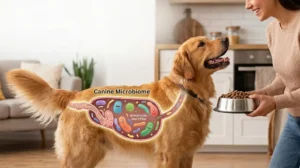
Your dog’s gut is not simply a digestive organ — it is the command center of their entire immune system, their mood regulation, and their long-term cellular vitality. When this invisible ecosystem thrives, your pet radiates energy, maintains a lustrous coat, and resists disease with remarkable efficiency.
In this definitive guide to probiotics for dogs, we break down the exact bacterial strains that veterinary science endorses, the measurable signs that your dog’s gut flora is failing, and the daily supplementation protocols that deliver lasting, compounding health results. Because your dog cannot advocate for their own wellness, mastering the science of their microbiome is one of the highest-impact decisions you can make as a responsible pet owner.
From resolving persistent loose stools and anxiety-driven digestion to fortifying the mucosal lining against environmental toxins, the right probiotic protocol transforms gut health from a passive process into an active biological defense. Let’s examine exactly how to make that happen.
🐾 Key Takeaways
- Gut-Immune Link: More than 70% of a dog’s active immune cells are housed directly inside the gastrointestinal tract, making gut health inseparable from total-body immunity.
- Strain Specificity Matters: Canine-optimized strains like Lactobacillus rhamnosus and Bifidobacterium longum outperform generic human-grade cultures because they are calibrated to survive a dog’s unique gastric acid profile.
- Prebiotics Amplify Results: Pairing live bacterial cultures with fermentable fiber sources like inulin or chicory root creates a self-reinforcing loop that dramatically extends probiotic colony survival rates.
Canine Probiotic Protocol Overview
| Protocol Element | Function & Mechanism |
|---|---|
| Multi-Strain Probiotics | Recolonizes the gut with beneficial bacteria that crowd out pathogens, regulate pH, and synthesize digestive enzymes. |
| Prebiotic Fiber Support | Provides fermentable plant compounds (inulin, FOS) that selectively nourish beneficial colonies while starving harmful fungal overgrowth. |
| Spore-Forming Strains | Bacillus subtilis and Bacillus coagulans form protective endospores that survive stomach acid, ensuring live delivery to the large intestine. |
| Red Flag Indicators | Recurring loose stools, excessive gas, grass-eating behavior, dull coat, and sudden onset anxiety may all signal gut dysbiosis. |
Probiotic Performance Specs
Why Probiotics for Dogs Are Non-Negotiable
The Gut as a Metabolic Organ
Most pet owners think of digestion as a mechanical process — food enters, nutrients exit. In reality, a dog’s gastrointestinal tract houses an extraordinary living ecosystem of trillions of bacteria, yeasts, and archaea that collectively function as a secondary metabolic organ. These microorganisms break down complex dietary fibers, synthesize B-vitamins, produce short-chain fatty acids, and regulate blood glucose levels in ways that the dog’s own enzymes simply cannot replicate. When this community is thriving and diverse, your dog’s energy metabolism operates at its biological ceiling.
The Mucosal Barrier and Leaky Gut
Beyond metabolism, the gut microbiome physically reinforces the single-cell-thick mucosal wall separating the intestinal contents from the bloodstream. Beneficial bacteria stimulate the production of tight-junction proteins that seal the gaps between intestinal epithelial cells. When dysbiosis occurs — triggered by antibiotics, ultra-processed diets, chronic stress, or environmental toxins — these junctions loosen. The result is intestinal hyperpermeability, commonly called leaky gut syndrome, which allows undigested food particles and bacterial endotoxins to enter systemic circulation. This is the root driver of chronic low-grade inflammation, food sensitivities, and recurring allergic flare-ups in domestic dogs.
The Gut-Brain and Gut-Immune Axes
Perhaps the most underestimated function of the canine microbiome is its bidirectional communication with the brain via the vagus nerve — a pathway researchers now call the gut-brain axis. Gut bacteria produce over 90% of the body’s serotonin, the neurotransmitter responsible for mood stability, sleep regulation, and appetite control. A depleted microbiome directly correlates with elevated anxiety, behavioral unpredictability, and reduced stress tolerance in dogs. Simultaneously, the gut-associated lymphoid tissue (GALT) — which houses over 70% of the immune system’s active cells — depends on healthy bacterial populations to train immune responses and distinguish genuine pathogens from harmless environmental compounds.
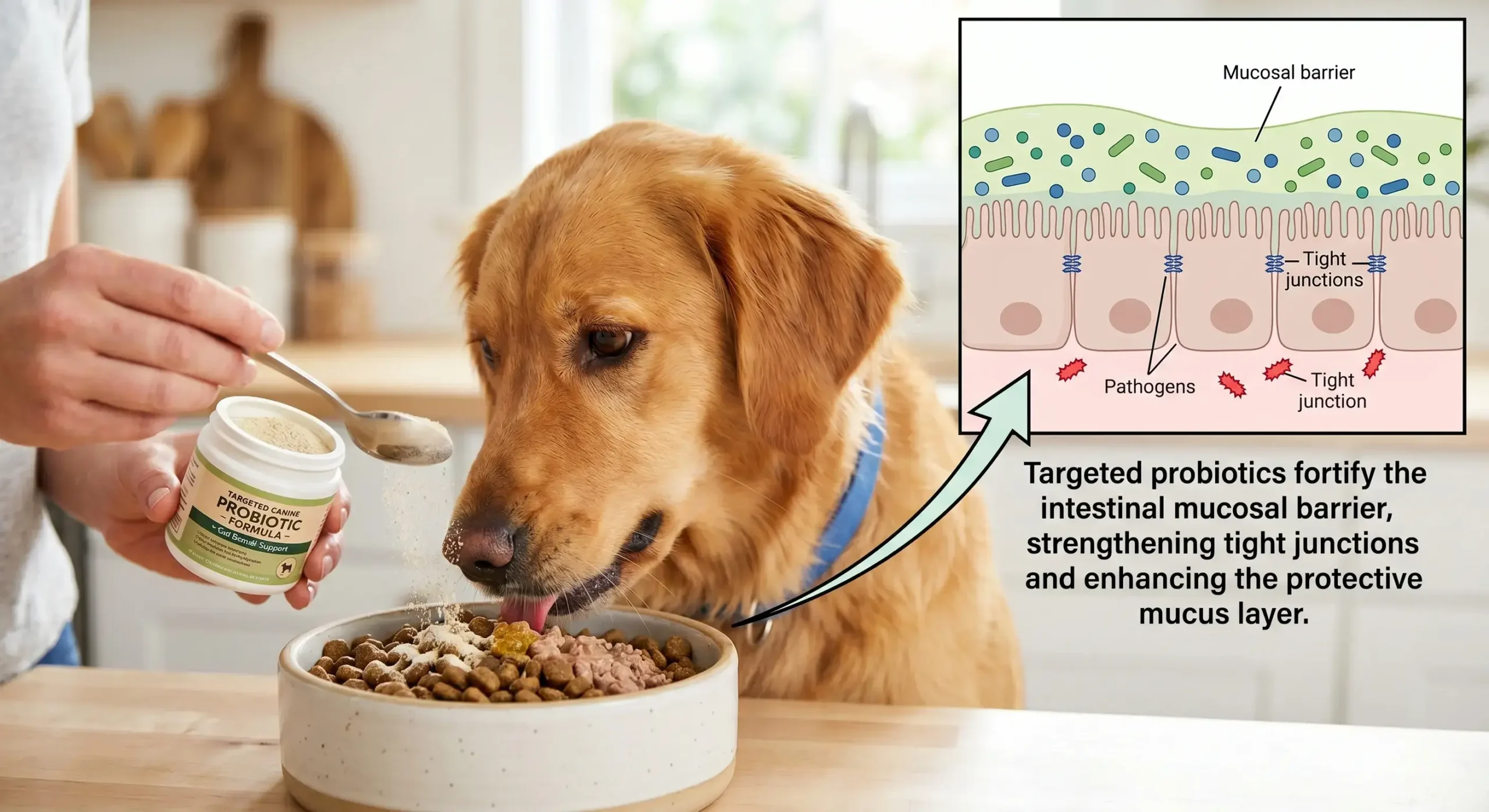
Figure 1: Integrating probiotic supplements directly into mealtime is the most consistent delivery method for long-term microbiome restoration.
The Best Probiotic Strains for Dogs
Lactobacillus Species: The Frontline Defenders
The Lactobacillus genus represents the most extensively researched group of canine probiotics. Lactobacillus acidophilus colonizes the small intestine, where it secretes lactic acid and hydrogen peroxide — compounds that lower environmental pH and create conditions that are actively hostile to Salmonella, Clostridium, and E. coli. Lactobacillus rhamnosus has demonstrated particular efficacy in clinical trials for reducing the duration and severity of antibiotic-associated diarrhea in dogs, making it an essential companion during and after antibiotic treatment cycles. Lactobacillus fermentum plays a critical role in modulating the inflammatory response, reducing the overactivation of immune pathways that drives allergic skin conditions.
Bifidobacterium Species: The Large Intestine Specialists
While Lactobacillus strains dominate the small intestine, Bifidobacterium species are the primary architects of large intestinal health. Bifidobacterium animalis — the strain most naturally abundant in the canine gut — produces acetate and lactate that regulate colon motility, preventing both chronic constipation and erratic loose stools. Bifidobacterium longum has demonstrated potent neuroprotective properties via the gut-brain axis, with studies showing measurable reductions in stress-response hormones in dogs supplemented consistently over a twelve-week period. For senior dogs experiencing age-related microbial diversity loss, Bifidobacterium breve supports the restoration of depleted colony populations with particular efficiency.
Spore-Forming Organisms: The Delivery Guarantors
One of the most significant limitations of traditional lactic acid bacteria is their fragility. Standard Lactobacillus cultures lose viability rapidly when exposed to stomach acid, heat above 40°C, or moisture during storage. Spore-forming organisms like Bacillus coagulans and Bacillus subtilis circumvent this entirely. Their endospore structure is chemically inert, surviving gastric transit completely intact before germinating into active bacterial cells in the alkaline environment of the small intestine. Products that combine traditional lactic acid bacteria with spore-forming strains deliver both immediate mucosal support and guaranteed downstream colonization — the most comprehensive approach to canine probiotic therapy available.
Understanding CFU Counts
Colony Forming Units (CFUs) measure the quantity of viable, living organisms in each dose. For healthy adult dogs, a daily intake of 1 to 10 billion CFUs is the evidence-supported therapeutic range — lower doses for maintenance, higher doses during active digestive distress or post-antibiotic recovery. Critically, always select products that guarantee CFU counts at the time of consumption, not merely at the time of manufacture. Without this guarantee, a product rated at 10 billion CFUs may deliver fewer than 100 million live organisms by the time it reaches your dog’s bowl — a commercially common but scientifically inadequate standard.
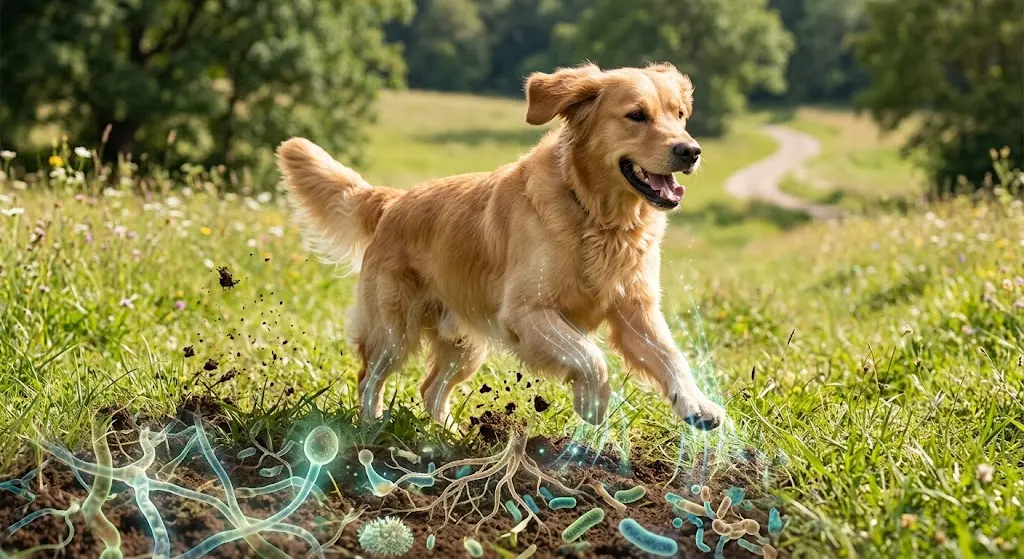
Figure 2: Dogs with a balanced, diverse microbiome exhibit sustained physical energy, stable mood, and visibly healthier skin and coat condition.
Vet-Backed Pro Tip: Fermented whole foods like plain kefir (unsweetened, no artificial flavors) or raw unpasteurized goat milk are outstanding natural probiotic sources. Introducing just one to two tablespoons over dry kibble several times per week provides a broad-spectrum bacterial boost that commercial supplements can complement but rarely match for strain diversity.
Warning Signs Your Dog’s Gut Is Failing
Recognizing Dysbiosis Before It Escalates
Gut dysbiosis rarely announces itself dramatically. Instead, it reveals itself through a constellation of seemingly unrelated symptoms that, when viewed together, point unmistakably toward a destabilized microbiome. Recognizing these indicators early enables intervention before minor imbalances compound into entrenched chronic conditions. The following symptoms should prompt immediate probiotic support and a consultation with your veterinarian:
- Chronic Digestive Irregularity: Alternating bouts of loose stools and constipation, excessive flatulence with a particularly foul odor, or mucus-coated feces are direct indicators that fermentation is overriding healthy digestion in the large intestine.
- Skin and Coat Deterioration: The gut-skin axis means that internal microbial imbalance manifests externally as dull, brittle fur, relentless paw licking, recurring hot spots, and chronic yeast-driven ear infections that return shortly after antibiotic treatment.
- Behavioral and Neurological Shifts: Sudden-onset anxiety, excessive vocalization, reduced tolerance for routine handling, or unexplained lethargy in a previously energetic dog often trace back to serotonin deficits driven by an impoverished gut microbiome rather than a primary psychological disorder.
- Weight Loss Despite Normal Appetite: When the intestinal villi are damaged by chronic inflammation, the surface area available for nutrient absorption collapses dramatically. A dog that eats normally but steadily loses weight or muscle mass is frequently experiencing subclinical malabsorption syndrome rooted in gut dysbiosis.
- Compulsive Grass Eating: While occasional grass consumption is normal, dogs that aggressively and repeatedly seek out grass — particularly before or after vomiting — are exhibiting a self-medicating behavior driven by nausea and gastric acid imbalance linked to disrupted microbial populations.
How to Administer Probiotics for Dogs
Building a Synbiotic Foundation
The most effective probiotic protocols are not standalone interventions — they are synbiotic systems that combine live bacterial cultures (probiotics) with the fermentable dietary fibers (prebiotics) that sustain them. Without adequate prebiotic support, even a high-CFU probiotic supplement produces only temporary colonization. The bacteria arrive, consume available nutrients, and are flushed out within 48 to 72 hours. Pairing your chosen probiotic with chicory root extract, inulin, or beta-glucan fiber creates the nutritional infrastructure for self-sustaining colony growth. This is the difference between renting your dog’s gut bacteria and owning it.
The Introductory Phase: Starting Slow
Introducing probiotics at full therapeutic dose on day one frequently triggers a paradoxical “die-off” response — a temporary worsening of symptoms like gas, soft stools, or mild lethargy caused by the rapid displacement of entrenched pathogenic bacteria. To avoid this, begin at 25 to 50% of the recommended dose during the first week. Allow your dog’s intestinal environment to gradually adapt to the incoming microbial shift. By week two, advance to the full dose. This graduated approach consistently produces better long-term colonization outcomes and eliminates the confusion of mistaking a die-off reaction for an adverse product response.
Timing and Delivery Best Practices
Probiotics survive stomach transit most effectively when administered with — not before — a meal. Food consumption triggers a buffering effect that raises gastric pH temporarily, extending the window of viability for acid-sensitive strains like Lactobacillus acidophilus. Powdered formulas mixed directly into wet food achieve the highest bacterial contact with intestinal mucosa. Soft chews are the preferred format for compliance in selective eaters, though quality varies significantly by brand — always verify that the chew format is manufactured at temperatures below 40°C to preserve culture viability.
Long-Term Maintenance: The Compounding Effect
The canine digestive tract processes food at an accelerated transit rate compared to humans, meaning the microbiome requires consistent daily replenishment to remain stable. A 30-day course of probiotics produces measurable improvements; a sustained 90-day protocol produces structural changes in microbial diversity that persist for months after supplementation ends. Think of daily probiotic administration not as treatment but as nutritional maintenance — the equivalent of brushing teeth rather than visiting the dentist only when pain appears. The compounding returns of daily gut investment are among the most evidence-supported interventions in canine preventative medicine.
Frequently Asked Questions
Can I give my dog human probiotic supplements?
Human probiotics are not acutely toxic to dogs, but they are optimized for the human digestive environment, which operates at a different pH and harbors a distinctly different microbial profile than the canine gut. Strains calibrated for human absorption — particularly those relying on enteric-coated delivery — may fail to survive a dog’s more acidic gastric environment intact. Veterinary-specific formulations are engineered around the confirmed pH range and microbial composition of the canine intestinal tract, making them meaningfully more effective in practice.
How quickly do probiotics for dogs start working?
Acute digestive conditions — such as stress-induced diarrhea or a reaction to a sudden diet switch — typically respond within 24 to 72 hours of consistent probiotic administration. Chronic conditions including leaky gut syndrome, persistent skin allergies rooted in gut dysbiosis, or anxiety driven by microbiome depletion require a sustained four to eight week protocol before measurable systemic improvement becomes visible. Consistency, not dose intensity, is the primary determinant of outcome speed.
Should I give my dog probiotics every day or only when symptoms appear?
Daily administration is the evidence-supported standard. Due to the rapid transit time of the canine digestive system, beneficial bacterial populations decline measurably within 48 hours of supplementation stopping. Reactive use — administering probiotics only during active digestive episodes — addresses symptoms without addressing the underlying microbial instability that generates them. Daily probiotic maintenance sustains the colony density required for the gut-immune and gut-brain axes to function at their protective ceiling year-round.
Disclaimer: The information on TheVitaPaws is for educational purposes only and should not replace professional veterinary care.