Welcome to TheVitaPaws — Expert Care for Your Furry Friends!
✦
Welcome to TheVitaPaws — Expert Care for Your Furry Friends!
✦
Dog Dental Care Additives & Chews: Ultimate Teeth Guide

Maintaining a sparkling, healthy oral environment is far more than just a cosmetic preference; it is a vital biological necessity that actively protects your canine companion’s internal organ systems.
In this comprehensive dog dental care additives and structural chew guide, we look deep into the exact physiological mechanisms that keep your dog safe, pain-free, and thriving. Because our pets count on us for their absolute daily wellness, learning the critical balance between liquid water additives and physical scratching textures is a top priority for dedicated pet owners across the United States.
Consequently, keeping their mouths free of microscopic pathogens helps stop dangerous infections before they can migrate deep into the bloodstream. Let’s dive straight into the science of oral biofilms, safe structural hardness loops, and the daily care routines that define optimal canine dental health.
📊 Jump to Section
🐾 Key Takeaways
- Chemical Plaque Shield: Premium water additives contain active enzymes that break down hidden oral biofilm before it hardens into permanent, dangerous tartar.
- Mechanical Scrubbing: Textured dental chews function as flexible toothbrushes, using targeted friction to clean dense rear molars during intense chewing loops.
- Systemic Safety Priority: Chronic bad breath and bleeding gums are early indicators of decay that can eventually cause irreversible damage to internal organs.
Canine Dental Solution Overview
| Care Method | Primary Action Mechanism & Features |
|---|---|
| Liquid Water Additives | Chemical biofilm breakdown, enzymatic bacteria elimination, continuous odor control |
| Structured Dental Chews | Mechanical abrasive plaque scraping, natural salivary flow stimulation, jaw exercise |
| VOHC Validation Stamp | Official safety certification from the Veterinary Oral Health Council proving data reduction |
| Critical Danger Warnings | Excessive drooling, bleeding along gum lines, dropping dry food pieces while eating |
Dental Product Performance Specs
The Science of Water Additives
Understanding Enzymatic Biofilm Breakdown
First and foremost, utilizing premium water additives introduces an effortless chemical shield into your dog’s daily hydration lifestyle. When your pet drinks fresh water infused with veterinary oral solutions, active enzymes spread smoothly across the entire oral cavity. Consequently, these safe compounds target the sticky bacterial biofilm layer before it can chemically react with canine saliva minerals to form rock-hard tartar. Over time, this hands-free approach stops dangerous pathogens from gathering along vulnerable gum tissues.
Selecting Safe Internal Compounds
Fortunately, top-tier dental additives are crafted with complete systemic safety in mind for everyday consumption. You must always inspect ingredient labels carefully, actively seeking formulas that avoid toxic artificial sweeteners like xylitol or heavy synthetic dyes. Instead, prioritize clean, odorless options containing natural green tea extract or stabilized chlorine dioxide. Therefore, introducing these reliable, tasteless ingredients into your pet’s ceramic drinking bowl preserves overall digestive wellness while continuously purifying their breath.
The Role of VOHC Validation
Finally, navigating the modern commercial pet market successfully requires checking for authoritative veterinary certifications. The Veterinary Oral Health Council (VOHC) awards an official seal of approval only to products that demonstrate true data-driven plaque reduction metrics. Therefore, choosing a VOHC-certified liquid additive ensures you are investing in a product that genuinely alters oral chemistry rather than just masking foul breath smells with temporary artificial mint fragrances.
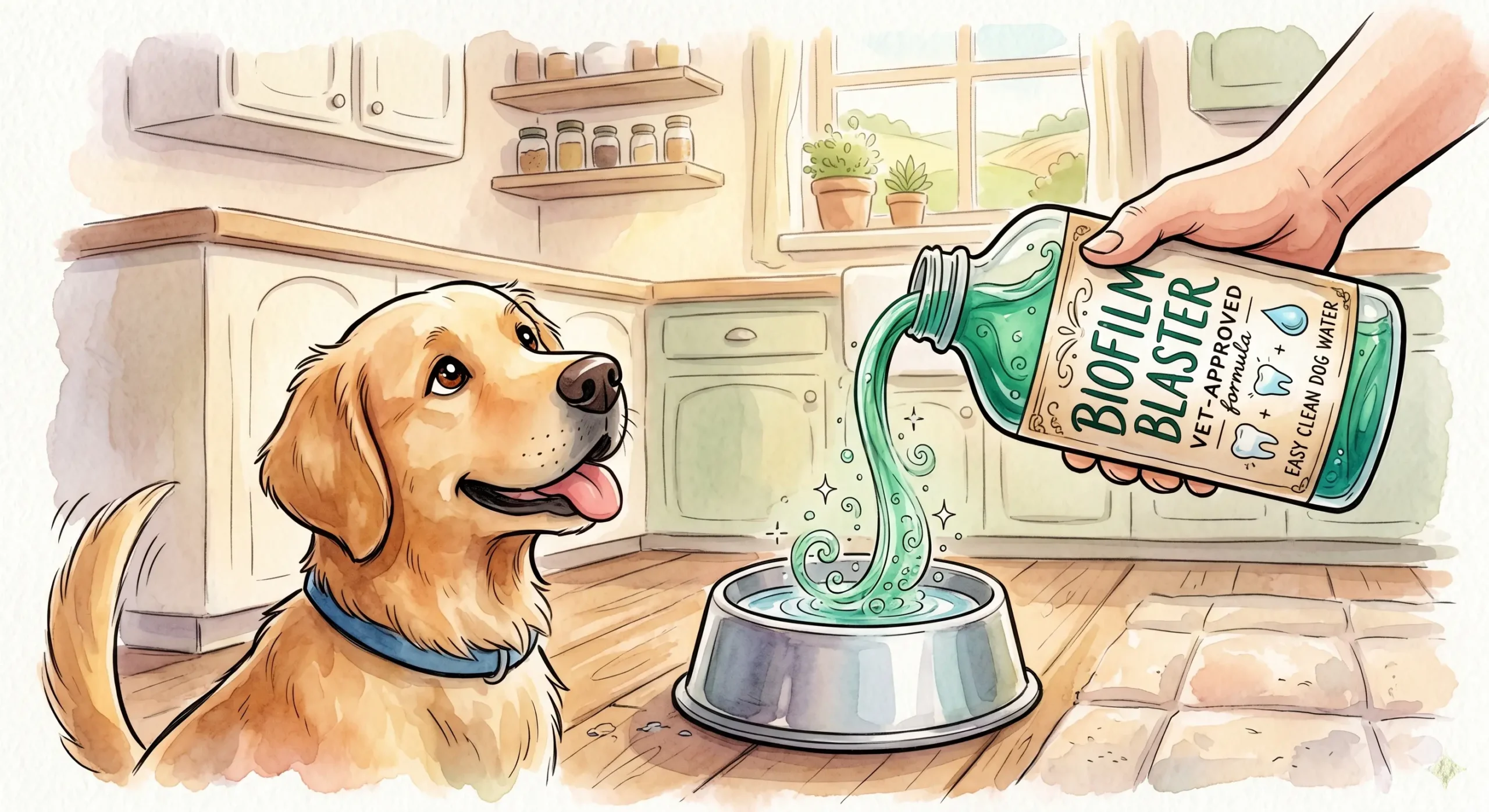
Figure 1: Mixing vet-approved liquid additives into daily fresh water effortlessly combats hidden bacterial biofilm.
Selecting Safe Dental Chews
Mechanical Abrasive Scrubbing Loops
First and foremost, you should view premium dental chews as specialized structural toothbrushes that your dog can safely enjoy. As your canine companion bites down on a dense chew, the specific rubber ridges or compressed textures slice through soft plaque build-ups along the teeth margins. Consequently, this persistent scraping action targets the hard-to-reach rear molars, which are naturally prone to heavy decay. Furthermore, the intense physical chewing loop stimulates active salivary flow, releasing natural defense mechanisms across the tongue.
Evaluating Chew Textures and Hardness
Fortunately, selecting the ideal structural density can protect your canine companion from painful dental fractures. You should always avoid excessively hard objects like raw animal bones, heavy deer antlers, or solid nylon toys. These stubborn objects frequently cause complex slab fractures on delicate carnivorous teeth, requiring emergency veterinary extraction. Instead, utilize flexible, highly digestible treats that yield slightly under moderate jaw pressure to preserve enamel health loops.
Size Matching for Maximum Safety
Finally, keeping your pet safe during treat time requires a cautious approach to portion scaling and sizing. A chew that is too small for a large breed like a Golden Retriever can easily become an immediate choking hazard or trigger an intestinal blockage if swallowed whole. Therefore, always choose structured dental treats that match your pet’s exact body weight metrics. By supervising their chewing sessions carefully, you will ensure they chew completely rather than greedily swallowing massive chunks.
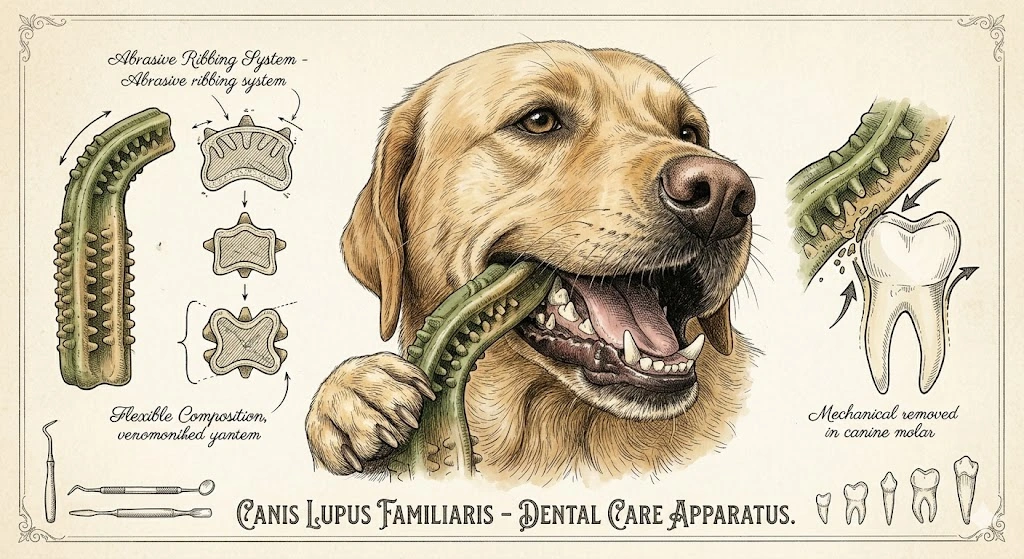
Figure 2: Providing sized-matched, flexible dental treats safely scrapes away plaque from complex rear molars.
Expert Pro-Tip: Incorporating organic brown kelp into their care cycle is a fantastic, natural way to safely alter salivary chemistry from within, making plaque structurally softer and far easier to break down over time!
Common Periodontal Health Risks
Understanding the Dangers of Oral Decay
Like many companion dogs and active domestic lines, our pets can face severe systemic challenges if oral health is neglected. Fortunately, being fully aware of these specific biological vulnerabilities allows you to provide excellent preventative care alongside your trusted veterinarian. Consequently, ignoring dark tartar accumulations or foul oral odors can quickly lead to painful infections and long-term complications, including:
- Gingivitis and Gum Recession: Chronic bacterial plaque actively inflames the delicate pink gum margins, causing structural tissue loss, severe bleeding, and intense physical pain during everyday meals.
- Periodontitis Bone Destruction: Over time, unmanaged infections migrate deep beneath the visible gum line, systematically eroding the vital jawbones and ligaments that secure the teeth.
- Systemic Organ Failure Loops: Harmful oral bacteria can easily enter the raw bloodstream through bleeding gum tissue, traveling directly to internal organs to cause irreversible damage to the heart, kidneys, and liver.
- Painful Tooth Root Abscesses: Severe decay can create deep pockets of trapped pus inside the tooth roots, leading to swelling, facial pain, and sudden behavior changes.
Daily Prevention Routines
Combining Chemical and Mechanical Shields
Because highly active dogs require comfortable, pain-free bodies to power through their daily adventures, creating a multi-tiered defense plan is absolutely paramount. Do not rely entirely on water additives or structured chews alone to maintain oral wellness. Instead, combine the chemical enzymatic shield of water additives with the mechanical scraping power of dental treats and regular manual brushing. Consequently, using these distinct strategies simultaneously creates an airtight prevention loop that keeps harmful plaque under control.
Introducing Manual Tooth Brushing
Generally, an adult dog adapts smoothly to daily manual tooth brushing if you introduce the pattern with patience and positive rewards. Always utilize a specialized, soft-bristled canine toothbrush alongside vet-approved enzymatic pet toothpaste. Never use human toothpaste formulas, as they contain excessive amounts of foaming agents and toxic ingredients that can harm your dog’s stomach. Furthermore, take your time during the initial training steps, allowing your pet to slowly lick the savory poultry-flavored paste before gently rubbing their teeth.
Scheduling Professional Cleanings
Finally, keeping their bodies in perfect health requires a balanced partnership with your trusted family veterinarian. Even with meticulous at-home preventative care, microscopic bacteria can still collect inside hidden structural pockets beneath the gum line. Therefore, remember to schedule comprehensive professional oral assessments at least once a year. Your veterinarian can safely perform deep ultrasonic scaling and polishing while your pet rests comfortably under secure anesthesia, ensuring long-term wellness.
Frequently Asked Questions
Can dental water additives completely replace manual toothbrushing for dogs?
No, liquid water additives cannot entirely replace the vital mechanical power of manual tooth brushing or structured chew routines. Instead, these enzyme formulas should be utilized as a helpful supportive shield alongside physical brushing to maximize plaque removal.
Are natural deer antlers safe to use as everyday dental chews for dogs?
No, natural deer antlers and heavy raw animal bones are far too dense for regular canine chewing habits and frequently cause severe slab fractures on teeth. You should always opt for flexible, digestible dental treats that carry the official VOHC validation seal instead.
Disclaimer: The information on TheVitaPaws is for educational purposes only and should not replace professional veterinary care.