Welcome to TheVitaPaws — Expert Care for Your Furry Friends!
✦
Welcome to TheVitaPaws — Expert Care for Your Furry Friends!
✦

Holistic Pain Management for Dogs: Laser Therapy & Acupuncture Explained
When conventional pharmaceuticals fall short, cause intolerable side effects, or simply cannot be the long-term answer for your dog’s chronic pain, a new generation of evidence-backed integrative therapies is stepping in — and the results are transforming veterinary medicine as we know it.
In this comprehensive guide to holistic pain management for dogs, we examine the clinical science behind two of the most powerful drug-free interventions available today: veterinary laser therapy and canine acupuncture. From osteoarthritis and intervertebral disc disease to post-surgical recovery and neuropathic pain, these modalities are delivering measurable, lasting relief for dogs who once had no good options left.
Understanding exactly how these therapies work at the cellular and neurological level — and when to deploy each one — empowers you to make genuinely informed decisions alongside your veterinarian, rather than simply accepting that chronic pain is an inevitable feature of your dog’s aging life.
📊 Jump to Section
🐾 Key Takeaways
- Drug-Free Relief: Both laser therapy and acupuncture stimulate the body’s own endorphin and anti-inflammatory pathways — delivering genuine pain relief without the organ-taxing burden of long-term NSAID use.
- Cellular Regeneration: Class IV therapeutic lasers penetrate deep tissue at the mitochondrial level, accelerating ATP production and dramatically reducing recovery time from musculoskeletal injuries and surgical procedures.
- Synergistic Results: When laser therapy and acupuncture are deployed together as a combined integrative protocol, clinical outcomes for chronic conditions like osteoarthritis consistently exceed what either modality achieves independently.
Holistic Pain Management Overview
| Therapy Modality | Primary Mechanism & Best Indications |
|---|---|
| Class IV Laser Therapy | Photobiomodulation stimulates mitochondrial ATP production, reduces prostaglandin-driven inflammation, and accelerates soft tissue and nerve repair. |
| Veterinary Acupuncture | Needle insertion at neuroanatomical points triggers endorphin release, modulates the autonomic nervous system, and reduces central sensitization to chronic pain stimuli. |
| Aquapuncture | Injection of vitamin B12 or saline solution at acupuncture points provides sustained point stimulation for dogs that are needle-sensitive or highly anxious. |
| Electroacupuncture | Low-frequency electrical current delivered through acupuncture needles produces deeper muscle relaxation and is the gold standard for intervertebral disc disease and spinal cord injury rehabilitation. |
Therapy Performance Specs
Understanding Chronic Pain in Dogs
Why Dogs Hide Pain — and What That Costs Them
Dogs are evolutionarily hardwired to conceal pain. In the wild, displaying vulnerability invites predation and social displacement, so the canine nervous system is remarkably efficient at masking discomfort until that discomfort becomes truly debilitating. What this means in practical terms is that by the time a dog owner notices their pet limping, reluctant to climb stairs, or withdrawing from play, the underlying pain process has almost always been active for weeks or months. The suffering was real long before it became visible — and that invisible period is precisely when intervention is most effective.
The Limits of Long-Term NSAID Use
Non-steroidal anti-inflammatory drugs (NSAIDs) remain a cornerstone of veterinary pain management, and for good reason — they are effective, fast-acting, and well-tolerated in the short term. However, long-term NSAID administration carries a well-documented risk profile that escalates significantly in senior dogs and those with pre-existing conditions. Chronic use is associated with gastrointestinal ulceration, hepatotoxicity, and progressive renal impairment. For a dog facing a decade-long battle with osteoarthritis, the cumulative organ burden of daily pharmaceutical anti-inflammatory therapy is a clinical reality that cannot be ignored. Holistic alternatives do not replace NSAIDs in acute scenarios — but they meaningfully reduce dependence on them over the long arc of a dog’s life.
Central Sensitization: When Pain Becomes Its Own Disease
Perhaps the most underappreciated dimension of chronic canine pain is the phenomenon of central sensitization — the process by which the spinal cord and brain progressively amplify pain signals independent of the original injury site. In a dog suffering from chronic osteoarthritis or disc disease, the nervous system itself undergoes structural neuroplastic changes that lower pain thresholds, expand pain receptive fields, and generate spontaneous pain in the absence of any new peripheral stimulus. At this stage, managing the joint alone is insufficient; the central nervous system must be directly addressed. This is precisely where acupuncture demonstrates its most compelling and clinically irreplaceable advantage.
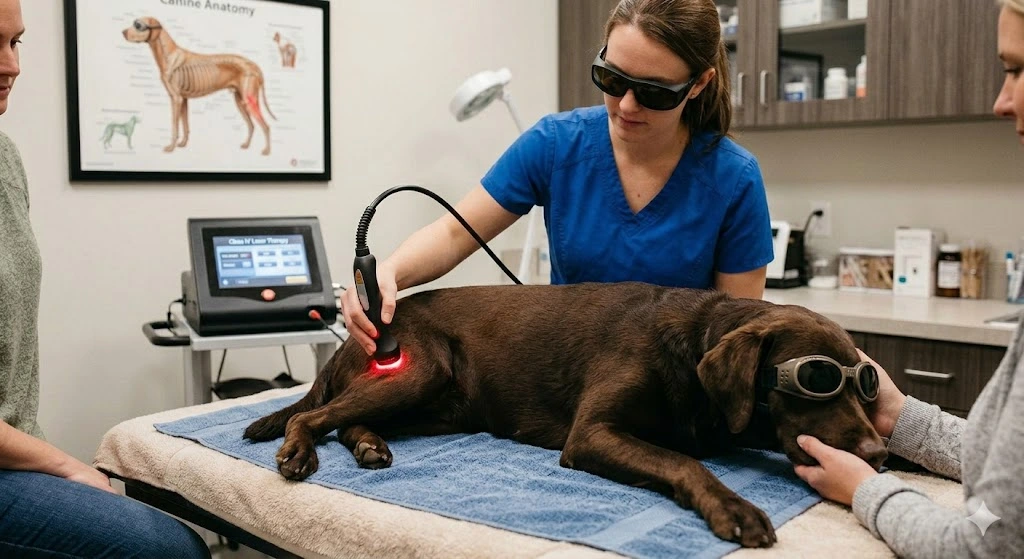
Figure 1: Class IV laser therapy delivers targeted photonic energy deep into musculoskeletal tissue, initiating cellular repair at the mitochondrial level.
Veterinary Laser Therapy: The Science of Photobiomodulation
What Is Photobiomodulation?
Therapeutic laser therapy — formally classified as photobiomodulation therapy (PBMT) — uses specific wavelengths of light, typically between 650 and 1000 nanometers, to penetrate biological tissue and interact directly with cellular structures. Unlike surgical lasers that cut or ablate tissue, therapeutic lasers deliver non-ionizing photonic energy that is absorbed by chromophores within the mitochondria, specifically cytochrome c oxidase, a key enzyme in the electron transport chain. This photonic absorption triggers a cascade of cellular events: mitochondrial ATP production accelerates dramatically, reactive oxygen species are normalized, and nitric oxide — a potent vasodilator and anti-inflammatory signaling molecule — is released into the surrounding tissue. The net effect is a measurable increase in cellular energy, blood flow, lymphatic drainage, and tissue oxygenation at the treatment site.
Class IV vs. Class III Laser Systems
Not all veterinary laser systems deliver equivalent therapeutic outcomes. Class III lasers — also called cold lasers or low-level laser therapy (LLLT) devices — operate at power outputs below 500 milliwatts and are limited in their ability to penetrate beyond superficial tissue layers, making them appropriate primarily for wound healing and surface-level soft tissue conditions. Class IV therapeutic lasers, by contrast, operate at power outputs ranging from 500 milliwatts to 25 watts or higher, enabling photonic energy delivery to deep musculoskeletal structures including joint capsules, intervertebral discs, spinal cord tissue, and deep muscle bellies. For conditions like hip dysplasia, elbow osteoarthritis, and lumbar disc disease — which are precisely the conditions most dogs requiring chronic pain management present with — Class IV systems are the clinically appropriate standard of care.
Conditions That Respond Best to Laser Therapy
The evidence base for veterinary PBMT has expanded substantially over the past decade. Conditions consistently demonstrating positive outcomes in peer-reviewed veterinary literature include osteoarthritis of the hip, stifle, and elbow joints; intervertebral disc disease at all stages of compression; post-surgical incision healing and tissue repair; tendon and ligament injuries including cruciate disease recovery; chronic otitis and wound healing; and nerve regeneration following traumatic or compressive injury. Treatment sessions typically last between five and twenty minutes depending on target tissue depth and body area, and most dogs not only tolerate the procedure without sedation but visibly relax during treatment as the tissue-warming effect of deep photonic penetration takes hold.
Treatment Frequency and Realistic Expectations
For acute conditions and post-surgical recovery, laser therapy is typically administered daily or every other day for the first one to two weeks, then tapered to weekly maintenance sessions as tissue repair consolidates. Chronic degenerative conditions like osteoarthritis generally require an induction phase of six to eight sessions over three to four weeks, followed by ongoing monthly or bi-monthly maintenance sessions to sustain the anti-inflammatory and analgesic benefits. It is critical to communicate to pet owners that laser therapy does not reverse the underlying structural pathology of degenerative joint disease — it manages the pain and inflammatory environment with extraordinary efficacy while preserving the quality of life that makes continued activity, physical therapy, and weight management achievable.
Clinical Pro Tip: Always confirm that the facility you choose operates a true Class IV laser system rated at a minimum of 3 watts. Many clinics advertise “laser therapy” using Class IIIb cold laser devices that lack the tissue penetration depth required to effectively treat deep joint or spinal pathology. Ask your veterinarian to specify the device brand, model, and wattage output before committing to a treatment plan.
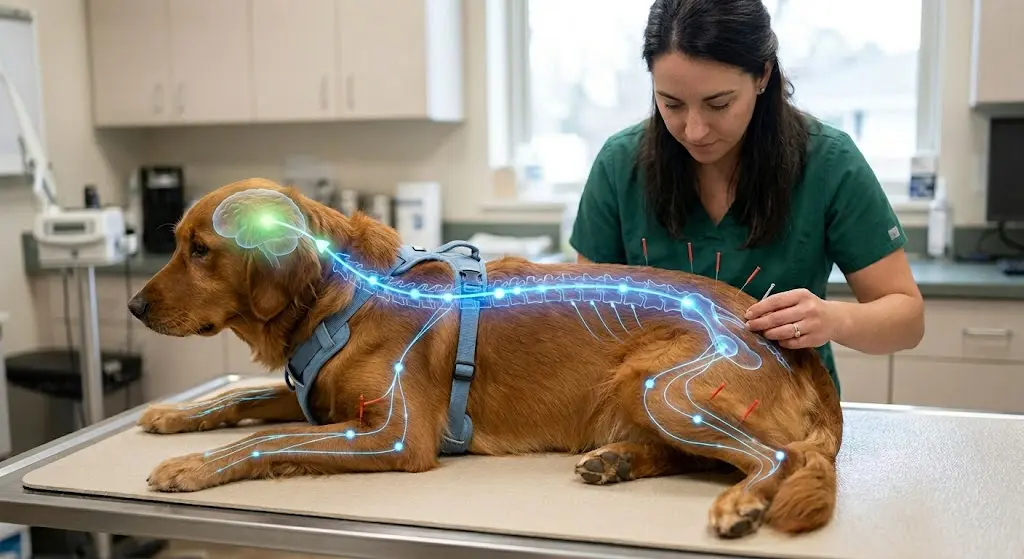
Figure 2: Veterinary acupuncture targets neuroanatomically significant points that modulate pain signaling pathways from the peripheral nervous system to the spinal cord and brain.
Acupuncture for Dogs: Neurological Pain Relief Without Drugs
The Neuroanatomical Basis of Veterinary Acupuncture
Veterinary acupuncture has shed its purely traditional Chinese medicine framing and is now practiced and taught through an explicitly neuroanatomical lens. The acupuncture points mapped across thousands of years of empirical observation correspond with remarkable precision to the locations of peripheral nerve bundles, motor points within muscle tissue, neurovascular hubs, and fascial planes that are richly innervated by free nerve endings. Needle insertion at these points generates a local tissue response — the “de qi” sensation familiar to human patients — that initiates a neurological signal cascade traveling from the insertion site through peripheral sensory nerves to the dorsal horn of the spinal cord, and from there to the brain’s pain-modulating centers including the periaqueductal gray matter and the nucleus raphe magnus.
Endorphin Release and Descending Pain Inhibition
The most well-characterized mechanism of acupuncture analgesia is the stimulation of endogenous opioid release. Needle insertion triggers the release of beta-endorphins, enkephalins, and dynorphins — the body’s own opioid peptides — at both the spinal cord and supraspinal levels. These compounds bind to the same mu, delta, and kappa opioid receptors targeted by pharmaceutical analgesics, activating the descending inhibitory pain control system that suppresses pain signal transmission from peripheral tissue to conscious perception. In dogs with advanced osteoarthritis, this endorphin surge produces measurable improvements in mobility, weight-bearing symmetry, and willingness to engage in physical activity within 24 to 48 hours of treatment — without a single molecule of synthetic pharmaceutical entering the system.
Electroacupuncture: Amplifying the Signal
Electroacupuncture (EA) connects a low-frequency electrical current — typically between 2 and 80 Hz — to inserted acupuncture needles via small alligator clips, amplifying the neurological stimulation delivered to the treatment point. At 2 Hz, EA preferentially stimulates beta-endorphin and enkephalin release, providing deep, sustained analgesia ideal for chronic pain management. At higher frequencies (80–100 Hz), dynorphin production dominates, producing more potent acute pain relief and muscle relaxation. For dogs with intervertebral disc disease, electroacupuncture along the governing vessel meridian — which directly overlies the dorsal spinal column — has demonstrated the ability to restore voluntary motor function in dogs presenting with partial or complete rear limb paresis, outcomes that would have been considered extraordinary even fifteen years ago.
What to Expect During a Canine Acupuncture Session
A first acupuncture appointment for a dog typically involves a comprehensive intake assessment covering gait analysis, posture evaluation, palpation of myofascial trigger points, and a review of the dog’s full medical and pharmaceutical history. The veterinary acupuncturist will then select between ten and twenty-five points appropriate to the dog’s specific pain pattern, inserting ultra-fine sterile needles to depths ranging from a few millimeters to several centimeters depending on target tissue. The majority of dogs show minimal to no adverse reaction to needle placement; many relax visibly within minutes of needle insertion as the endorphin response takes effect. Sessions typically last twenty to forty-five minutes. For most chronic pain conditions, a course of six sessions administered weekly is recommended before reassessing the response and establishing a long-term maintenance frequency.
Certification Matters: Veterinary acupuncture should only be performed by a licensed veterinarian who has completed a certified post-graduate acupuncture training program — such as those offered by the Chi Institute, the International Veterinary Acupuncture Society (IVAS), or Colorado State University’s veterinary acupuncture program. Acupuncture performed by non-veterinarians on animals is illegal in most U.S. states and carries genuine risk of harm.
The Combined Integrative Protocol: Stronger Together
Why Combination Therapy Outperforms Either Modality Alone
Laser therapy and acupuncture address chronic pain through complementary but distinct biological pathways. Laser therapy excels at the tissue level — reducing prostaglandin synthesis, accelerating mitochondrial repair, improving lymphatic drainage, and directly modulating the inflammatory cytokine environment within the joint or injury site. Acupuncture operates primarily at the neurological level — activating endogenous opioid cascades, recalibrating central sensitization, normalizing autonomic nervous system tone, and restoring normal sensory processing patterns in a pain-habituated spinal cord. When deployed together, these modalities address both the peripheral and central dimensions of chronic pain simultaneously, producing clinical outcomes that neither achieves in isolation. Studies comparing combination integrative protocols to single-modality treatment in dogs with osteoarthritis consistently report greater improvements in validated pain scoring, gait symmetry analysis, and owner-reported quality of life assessments.
Integrating Holistic Therapy with Conventional Medicine
The most clinically sophisticated approach to canine pain management is neither purely pharmaceutical nor exclusively holistic — it is a calibrated integration of both. For a dog managing moderate osteoarthritis, a well-designed protocol might include monthly Class IV laser sessions, bi-weekly acupuncture, daily joint-supportive supplementation with fish oil and curcumin, a structured low-impact exercise program, and a reduced-dose NSAID reserved for flare periods rather than administered continuously. This multimodal approach dramatically reduces cumulative pharmaceutical load while maintaining pain control standards that protect the dog’s mobility, muscle mass, and psychological wellbeing. The goal is always the highest quality of life achievable — not adherence to any single therapeutic philosophy.
Tracking Progress: Objective Outcome Measures
One of the challenges of pain management in veterinary medicine is that the patient cannot self-report. Objective outcome measurement is therefore essential to evaluating whether a holistic protocol is delivering genuine benefit or merely providing the appearance of it. Tools used in integrative veterinary practices include validated owner-completed pain scoring instruments such as the Helsinki Chronic Pain Index and the Canine Brief Pain Inventory, pressure-plate gait analysis systems that quantify weight distribution symmetry across limbs, and regular veterinary pain palpation scoring. When these objective measures are tracked consistently across a treatment course, they eliminate the confirmation bias that can lead owners — and veterinarians — to overestimate improvement or underestimate ongoing suffering in stoic patients.
Signs Your Dog May Need Holistic Pain Intervention
Reading the Subtle Signals
Because dogs are experts at concealing discomfort, owners must learn to recognize the quiet behavioral shifts that precede the obvious signs of pain. The following indicators warrant immediate discussion with your veterinarian about integrative pain management options:
- Mobility Reluctance: Hesitation before jumping into the car, climbing stairs, or rising from a resting position — particularly when this behavior is new or progressive — is one of the earliest observable indicators of joint pain in dogs.
- Altered Sleep Patterns: Dogs in chronic pain frequently reposition themselves multiple times throughout the night, unable to find a comfortable resting posture. Restless sleeping in a previously settled dog is a clinically significant behavioral flag.
- Social Withdrawal: A previously sociable dog that begins avoiding interaction, retreating to isolated spaces, or displaying irritability when approached or handled is communicating pain through behavioral language rather than vocalizations.
- Gait Asymmetry: Subtle limping, a shortened stride on one side, or a hunched lumbar posture during walking indicates compensatory weight redistribution away from a painful limb or spinal segment — often visible to a careful observer long before it registers as obvious lameness.
- Reduced Grooming or Hyperfocused Licking: Dogs in pain often groom less overall — a sign of general malaise — while simultaneously licking excessively at a specific joint or body region, directing the owner’s attention to the source of discomfort with remarkable anatomical precision.
Frequently Asked Questions
Is laser therapy safe for all dogs?
Class IV laser therapy is contraindicated directly over active tumor sites, the eyes, the thyroid gland, and open growth plates in puppies under twelve months. It should be used with caution in dogs currently taking photosensitizing medications. Outside of these specific contraindications, therapeutic laser is exceptionally safe — it generates no ionizing radiation and has no documented systemic side effects at therapeutic doses. Both the patient and handler wear protective eyewear during sessions as a standard precaution.
Does acupuncture hurt dogs?
The vast majority of dogs tolerate acupuncture with minimal to no distress. Veterinary acupuncture needles are extremely fine — significantly thinner than hypodermic injection needles — and are designed to glide between tissue planes rather than puncture them. Most dogs experience a brief, mild sensation at the moment of insertion, followed by progressive relaxation as endorphin release takes effect. Dogs that are needle-sensitive or highly anxious can receive aquapuncture — injection of vitamin B12 or saline at acupuncture points — as a viable non-needle alternative.
How much do these therapies cost, and is it worth it?
Laser therapy sessions typically range from $40 to $75 per session, and acupuncture from $75 to $150 per session depending on practice location and session length. When weighed against the cumulative cost of long-term NSAID prescriptions, repeated blood monitoring for hepatic and renal function, and the potential treatment costs of pharmaceutical side effects, integrative therapy frequently represents not only a better quality-of-life investment but a sound long-term financial one. Many veterinary practices now offer bundled treatment packages that reduce per-session cost significantly for dogs committed to ongoing maintenance protocols.
Can these therapies be used alongside my dog’s current medications?
Yes — one of the defining clinical advantages of laser therapy and acupuncture is that they integrate seamlessly with pharmaceutical pain management protocols. They do not interact pharmacokinetically with NSAIDs, gabapentin, amantadine, or other common veterinary analgesics. In fact, the standard integrative approach is to use holistic therapies to reduce the required pharmaceutical dose over time rather than replace medication abruptly. Any adjustment to your dog’s existing medication regimen should be made in direct consultation with your prescribing veterinarian.
Disclaimer: The information on TheVitaPaws is for educational purposes only and should not replace professional veterinary care.