Welcome to TheVitaPaws — Expert Care for Your Furry Friends!
✦
Welcome to TheVitaPaws — Expert Care for Your Furry Friends!
✦

Hydration & Kidney Health: Electrolytes for Dogs
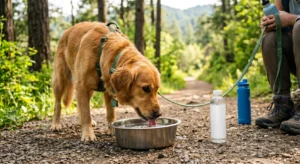
Maintaining a proper mineral balance is far more than just filling a standard bowl; it is an absolute necessity that directly protects vital organ systems. In this comprehensive dog hydration and kidney health guide, we explore the exact biological mechanisms that keep your companion safe, active, and thriving. Because our dogs count on us for their daily wellness, learning the critical balance between fresh water intake and vital minerals is a top priority for dedicated pet owners across the United States. Consequently, keeping their bodies balanced with essential fluids filters out metabolic wastes and protects long-term renal wellness. Let’s dive straight into the science of fluids, daily metrics, and behavioral care loops that define optimal canine health.
📊 Jump to Section
🐾 Key Takeaways
- Vital Balance: Water filters out internal bodily wastes, meaning constant access to fresh, clean fluids is the primary line of defense against chronic kidney disease.
- Electrolyte Function: Minerals like sodium, potassium, and chloride regulate cellular pressure; however, human sports drinks contain too much sugar and must always be avoided.
- Proactive Monitoring: Lethargy, dry gums, and sudden changes in urination patterns are serious warning signs that require an immediate checkup with your trusted veterinarian.
Hydration & Kidney Overview
| Health Metric | Official Details & Requirements |
|---|---|
| Daily Water Intake | Approximately 1 ounce of water per pound of body weight |
| Core Electrolytes | Sodium, Potassium, Chloride, Calcium, Magnesium |
| Primary Organ Filter | Renal System (Left and Right Kidneys) |
| Critical Danger Signs | Loss of skin elasticity, dry sticky gums, extreme lethargy |
| Best Dietary Sources | Fresh water, canine electrolyte broths, wet raw-infused foods |
Fluid Priority Management
The Science of Canine Hydration
Original Biological Roots of Renal Function
The biological roots of your dog’s renal system trace back to their ancient canine ancestors. Originally, wild canids consumed high-moisture diets through fresh prey, which kept their internal systems naturally flushed. In the modern household, however, many pets consume heavily processed dry foods. Consequently, their bodies must work much harder to gather the vital moisture needed to process metabolic waste products efficiently.
How Water Protects the Renal System
Over time, a lack of sufficient water intake directly strains the delicate filtering units inside the kidneys. These vital organs act as a highly sophisticated waste treatment facility for the bloodstream. Therefore, providing constant access to fresh drinking water helps dilute urine, preventing the painful accumulation of minerals that can develop into dangerous kidney stones or structural renal damage.
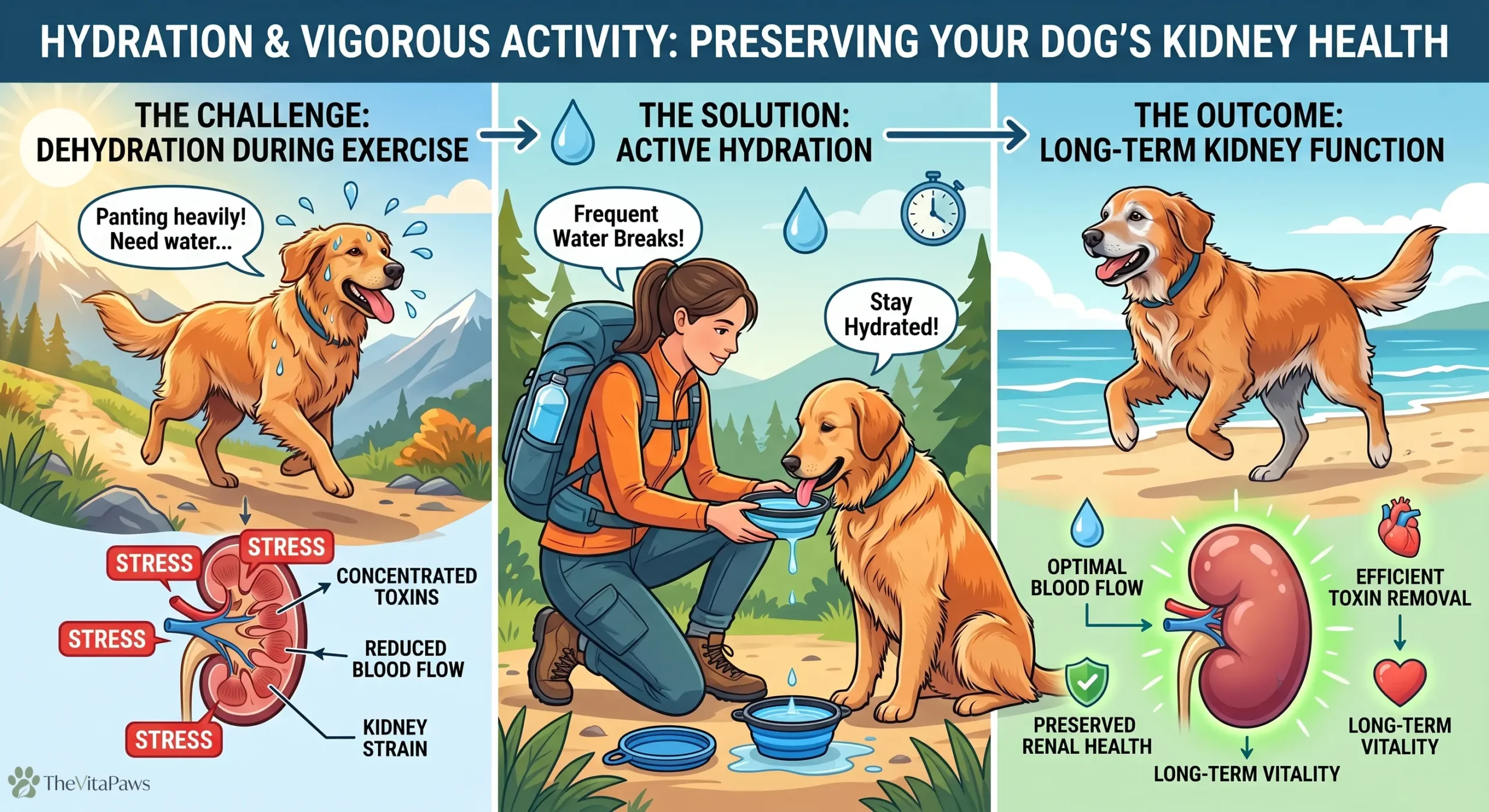
Figure 1: Keeping your dog hydrated during vigorous outdoor activities preserves long-term kidney function.
Electrolyte Care Needs
Physical Exercise and Mineral Loss Loops
First and foremost, you must understand that active animals require a stable balance of essential minerals to manage their complex nervous systems. When your dog pants heavily during an intense summer run, they lose crucial fluids through evaporation. In addition to standard water loss, vital minerals like sodium and potassium leave the body, altering healthy cellular pressure gradients.
Mental Stimulation and Stress Hydration
Fortunately, maintaining a proper mineral balance also directly impacts mental focus and stress management. Because the brain relies heavily on electrical impulses, a sudden drop in core mineral levels can trigger muscle weakness or mental confusion. Therefore, introducing a dedicated canine electrolyte supplement after high-intensity training sessions can successfully restore physical energy loops and encourage deep, restorative rest.
Safe Mineral Replenishment Routines
Finally, keeping their mineral levels stable requires a cautious, well-planned routine. Human sports drinks often contain toxic artificial sweeteners or excessive sugars that can harm your pet’s metabolic system. Instead, utilize vet-approved canine rehydration powders or unseasoned bone broths to safely replenish vital minerals without adding harmful additives to their daily diet.

Figure 2: Incorporating moisture-rich raw foods and clean supplements can balance fluid retention naturally.
🐾 Cooper’s Approved Hydration Pick
Ethan’s Pro-Tip: My Golden Retriever, Cooper, absolutely loves clean bone broth ice cubes after a long game of fetch in the Denver sunshine. Freezing low-sodium, dog-safe bone broth is an excellent, creative way to introduce both extra moisture and natural minerals into your pet’s daily lifestyle while keeping them delightfully cool!
Common Kidney Problems
Understanding Renal Decline Risks
Like many purebred lines and active companion dogs, our pets can face inherited or age-related renal challenges during their lifetime. Fortunately, being fully aware of these specific biological vulnerabilities allows you to provide excellent preventative care alongside your trusted veterinarian. Consequently, monitoring your dog’s daily habits will help you catch potential complications early:
- Acute Kidney Injury (AKI): A sudden, severe drop in kidney function often caused by accidental ingestion of toxins, such as antifreeze, grapes, or human medications.
- Chronic Kidney Disease (CKD): A progressive condition common in aging pets where the kidney tissues gradually lose filtering capacity, requiring long-term dietary changes.
- Urinary Tract Infections (UTIs): Bacterial infections that can easily travel up the urinary tract into the kidneys if a dog is chronically dehydrated, causing serious damage.
- Kidney Stones (Nephrolithiasis): Painful crystalline mineral collections that form in highly concentrated urine, often blocking normal fluid pathways.
Diet and Nutrition
High-Protein Ratios and Metabolic Balancing
Because highly active dogs require premium fuel to power their daily adventures, selecting the correct dietary balance is absolutely paramount for long-term renal wellness. Many modern dog foods boast high protein metrics to support lean muscle tissue. However, processing heavy amounts of protein creates natural nitrogen byproducts that your dog’s kidneys must flush out continuously through clean, diluted urine.
Portion Control and Safety Measures
Generally, an adult dog eats standard portions based strictly on their body weight, age, and true daily activity levels. To support their renal health, you should consider adding moisture-rich fresh foods or wet commercial toppers directly to their dry kibble. Furthermore, remember to always let their large meals digest completely before heading out for intense runs, and provide fresh, filtered drinking water in clean ceramic or stainless steel bowls.
Frequently Asked Questions
Can I give my dog regular human sports drinks for hydration?
No, human sports drinks contain too much sugar and sodium, which can overwhelm a canine’s metabolic system. Instead, you should always opt for veterinary-formulated dog electrolyte blends or plain, unseasoned bone broth solutions.
How can I tell if my dog’s kidneys are processing water correctly?
Healthy kidneys produce pale, straw-colored urine on a regular, consistent daily schedule. If you notice a sudden spike in excessive drinking, very dark urine, or absolute lethargy, you should consult your veterinarian immediately.
Disclaimer: The information on TheVitaPaws is for educational purposes only and should not replace professional veterinary care.