Welcome to TheVitaPaws — Expert Care for Your Furry Friends!
✦
Welcome to TheVitaPaws — Expert Care for Your Furry Friends!
✦

Preventive Joint Care for Puppies & Large Breeds: Vet-Approved Guide

Hello, TheVitaPaws pack! Ethan Carter here, writing to you from beautiful Denver, Colorado, alongside my loyal Golden Retriever, Cooper. If you are raising a fast-growing pup, understanding preventive joint care for puppies and large breeds is absolutely vital for their long-term wellness. Big dogs like Great Danes, Labradors, and German Shepherds experience rapid skeletal growth that puts intense strain on their developing growth plates. Consequently, without proactive management, this swift development can lead to structural damage or premature arthritis. Therefore, as dedicated pet owners, we must implement smart lifestyle boundaries, specialized nutrition, and careful physical limits early in life. Let’s dive straight into how you can protect your heavy-boned companion’s skeletal system from day one, ensuring they remain vibrant, agile, and completely pain-free for years to come.
📊 Jump to Section
🐾 Key Takeaways
- Growth Monitoring: Large breed puppies grow rapidly until 12 to 18 months, making early skeletal protection absolutely critical.
- Controlled Exercise: Avoid high-impact jumping, hard running on concrete, or steep stairs while your puppy’s growth plates remain open.
- Targeted Nutrition: Feed a specialized large-breed puppy formula with a precise calcium-to-phosphorus ratio to prevent rapid, unhealthy bone growth.
Joint Care Metric Overview
| Care Variable | Official Recommendation |
|---|---|
| Critical Growth Window | 2 to 12 months (up to 18 months for giant breeds) |
| Exercise Rule of Thumb | 5 minutes of structured walking per month of age, twice daily |
| Ideal Calcium Content | Strictly limited to 1.1% to 1.5% on a dry-matter basis |
| Primary Joint Support | Glucosamine, Chondroitin, and Omega-3 Fatty Acids (EPA/DHA) |
| Safe Exercise Surfaces | Grass, sand, dirt trails, and carpeted indoor flooring |
Large Breed Structural Risk Profile
Understanding Large Breed Skeletal Growth
The Anatomy of Growth Plates
First and foremost, safeguarding a puppy’s skeletal health requires a basic look at their unique anatomy. Large and giant breeds possess soft areas of cartilage located at the ends of their long bones, which are anatomically known as growth plates. Over time, these flexible areas continuously produce new bone tissue, allowing your canine companion to reach their full, majestic adult height. Fortunately, once the puppy achieves full physical maturity—typically between 12 to 18 months of age—these fragile plates calcify and close completely. Consequently, any severe impact or injury to these open areas before closure can cause permanent structural deformities.
The Problem with Rapid Growth
In addition to internal anatomical vulnerability, the sheer speed of development in heavy breeds poses a significant challenge. For instance, a Great Dane or a Mastiff can multiply their birth weight up to one hundred times within their first year of life. Therefore, if a puppy accumulates heavy body mass too quickly, their soft, immature bones cannot safely support the sudden structural load. As a result of this uneven balance, the delicate joints shift slightly out of alignment, creating the ideal conditions for early-onset canine hip dysplasia.

Figure 1: Low-impact outdoor socialization on soft natural surfaces is excellent for growing joints.
Training, Exercise Limits, and Environment
Establishing Low-Impact Physical Outlets
First and foremost, you must remember that a young puppy’s enthusiasm always outweighs their physical structural strength. Therefore, active owners must manage daily exercise sessions with strict time limits to protect developing cartilage. A wonderful, vet-approved rule of thumb is to allow five minutes of structured walking per month of age, twice a day. For example, a four-month-old puppy should only walk for twenty minutes per session. Furthermore, prioritize low-impact activities like gentle swimming, controlled backyard exploring, and basic loose-leash walking on soft grass or dirt trails.
Restricting High-Impact Actions
In addition to regulating walking times, you must actively eliminate dangerous, high-impact forces from your pet’s daily routine. Activities that involve repetitive jarring impact—such as catching flying discs, jumping off high couches, or sprinting down steep stairs—are incredibly dangerous for open growth plates. Consequently, you should teach your puppy to use carpeted pet ramps to navigate elevated furniture safely. Over time, keeping your young companion’s paws planted firmly on flat, stable ground will effectively prevent accidental ligament micro-tears.
Managing Indoor Flooring Hazards
Finally, the everyday environment inside your home plays a surprisingly massive role in joint preservation. Slippery surfaces like hardwood, laminate, and ceramic tile force a clumsy puppy’s legs to slide outward repetitively. Consequently, this constant slipping strains the delicate hip sockets and causes chronic joint laxity. Fortunately, you can easily neutralize this household hazard by placing non-slip area rugs or interlocking foam mats across high-traffic hallways and main play areas.
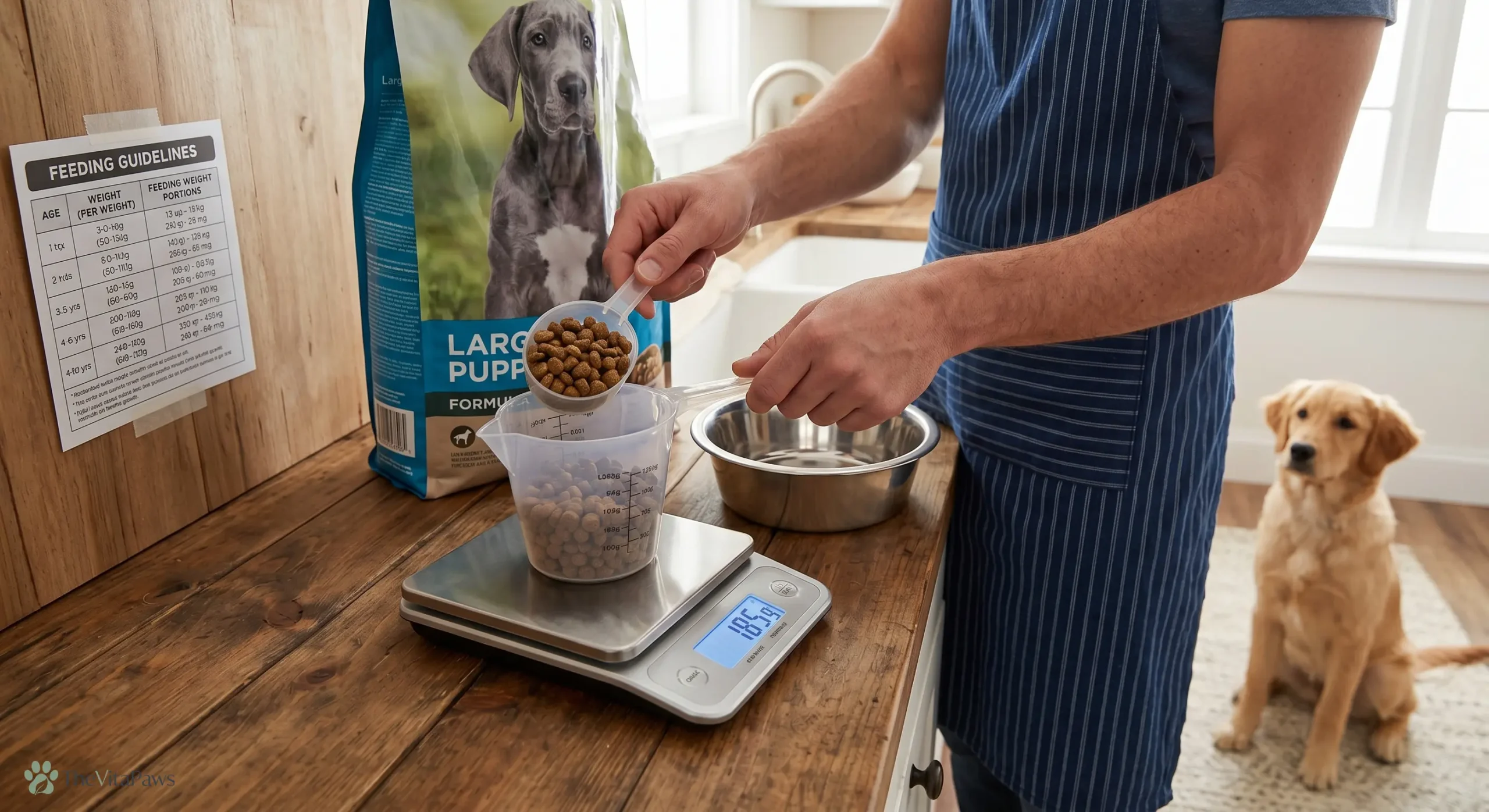
Figure 2: Precise, measured portions of specialized large-breed formulas prevent rapid, dangerous growth spurts.
🐾 Cooper’s Approved Joint Protection Pick
Ethan’s Pro-Tip: To prevent my Golden Retriever, Cooper, from slipping during his energetic puppy phases, I covered our main living room hardwood floor with textured interlocking mats. This simple household adjustment completely eliminated his leg-splaying slides, providing a safe, high-traction environment that kept his hip joints secure during critical development!
Diet, Weight Management, and Nutritional Science
Selecting Large-Breed Specific Formulas
Because large breed puppies carry a unique metabolic template, selecting the correct dietary fuel is absolutely paramount for their long-term structural wellness. You must completely avoid standard, all-life-stages commercial dog foods, as they often contain excess calories and elevated calcium levels that accelerate bone growth too quickly. Instead, always look for premium formulas specifically labeled for large breed puppies. These specialized diets feature a tightly controlled calcium-to-phosphorus ratio that ensures their bones grow at a slow, healthy, and highly structured pace.
Implementing Strict Lean Weight Boundaries
Furthermore, maintaining a lean body condition score is the single most powerful action you can take to protect your growing puppy. Every single excess pound carried by a young dog multiplies the mechanical stress placed on their soft knee and hip joints. Therefore, you should be able to easily feel your puppy’s ribs with light pressure and see a clearly defined waistline when viewing them from above. Do not let their pleading eyes convince you to offer table scraps or excessive training treats, as early puppyhood obesity heavily accelerates cartilage breakdown.
Introducing Targeted Joint Supplements
Finally, introducing specific raw therapeutic ingredients early in life can provide a wonderful layer of structural defense. Many veterinarians recommend starting high-quality joint supplements containing glucosamine and chondroitin sulfate once the puppy transitions to solid adult food. These pure compounds supply the fundamental raw building blocks needed to synthesize healthy new cartilage matrix. In addition to glucosamine, look for supplements rich in omega-3 fatty acids derived from wild marine oils, which work naturally to minimize low-grade structural inflammation inside the joints.
Frequently Asked Questions
When should I start joint supplements for my large breed puppy?
You can safely start proactive joint supplements as early as 8 to 12 weeks of age, provided you use a formula specifically balanced for growing puppies. Always consult your trusted veterinarian to select an appropriate option that blends smoothly with your pup’s regular large-breed daily diet.
How can I tell if my large breed puppy is suffering from joint pain?
Early indicators of skeletal discomfort include an unusual “bunny-hopping” gait while running, noticeable stiffness after morning naps, or a sudden reluctance to climb small stairs. If you observe any persistent limping or unusual clicking sounds coming from their limbs, schedule a veterinary evaluation immediately.
Disclaimer: The information on TheVitaPaws is for educational purposes only and should not replace professional veterinary care.